
Virginia Beach Marathon
Virginia Beach is the rare marathon where the elevation profile is almost blank. The course runs along the Atlantic boardwalk and through the oceanfront, climbing about 40 metres in total, and the…
By Global Marathon Routes editorial team · Last reviewed 27 October 2026
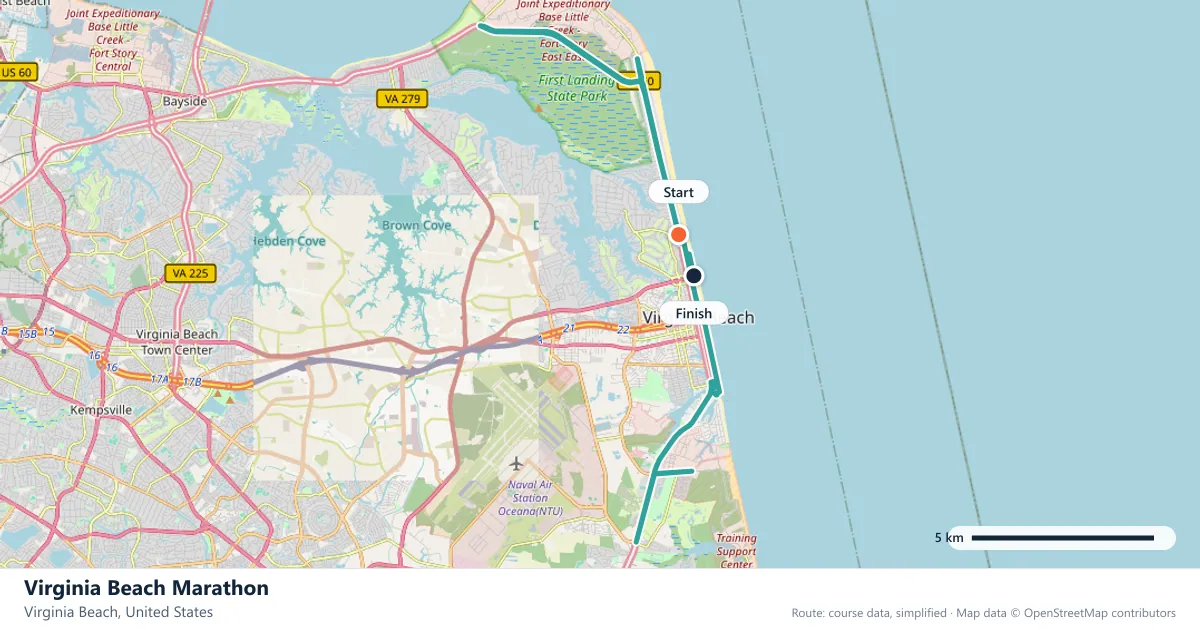
Where does the Virginia Beach Marathon run?
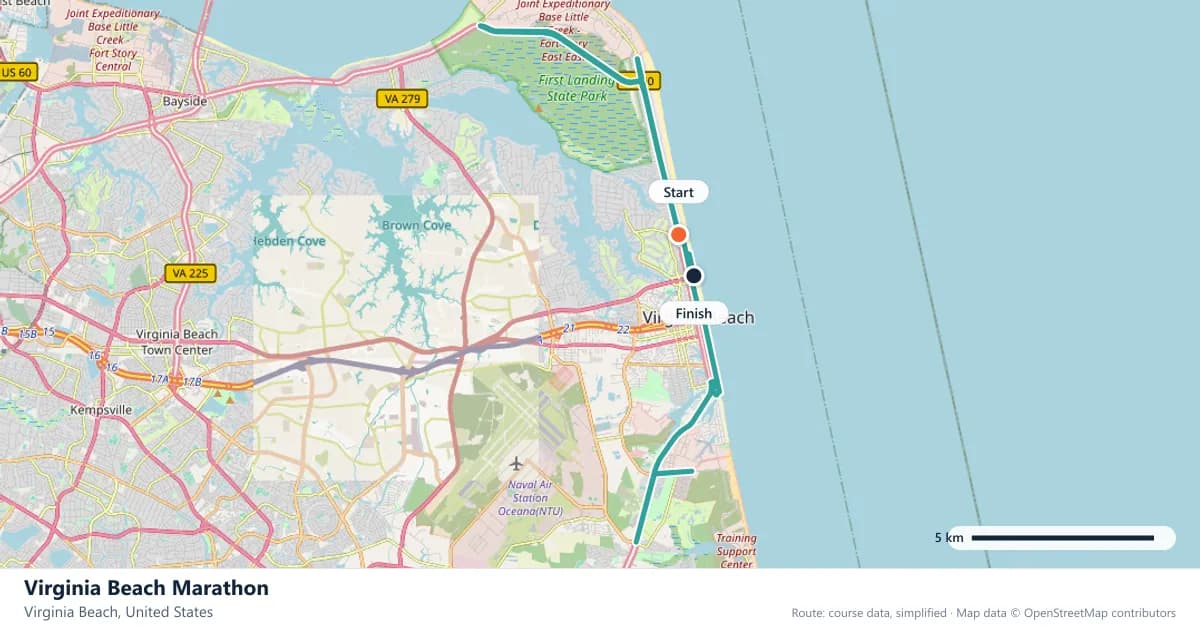
Interactive map
The trace follows the organizer's published course, simplified for the screen: the orange dot is the start, the dark dot the finish. Scroll to zoom, drag to pan.
What is the Virginia Beach Marathon course like?
A flat March race along the Atlantic boardwalk and through the Virginia Beach oceanfront. Almost no climbing, and sea level throughout.
- Next edition
- 21 March 2027
- Elevation gain
- 40 m
- Profile
- Flat
- First run
- —
Course guide
Virginia Beach is the rare marathon where the elevation profile is almost blank. The course runs along the Atlantic boardwalk and through the oceanfront, climbing about 40 metres in total, and the next edition is on Sunday 21 March 2027.
With no hills of consequence and sea level throughout, the race strips the day back to pacing, fuelling and weather. The boardwalk and beachfront streets give it an open, horizontal feel that is very different from a city loop.
That simplicity makes it a strong personal-best venue and a forgiving first marathon. The danger is equally simple: without climbs to interrupt the rhythm, an over-ambitious opening can continue unchecked for a very long time.
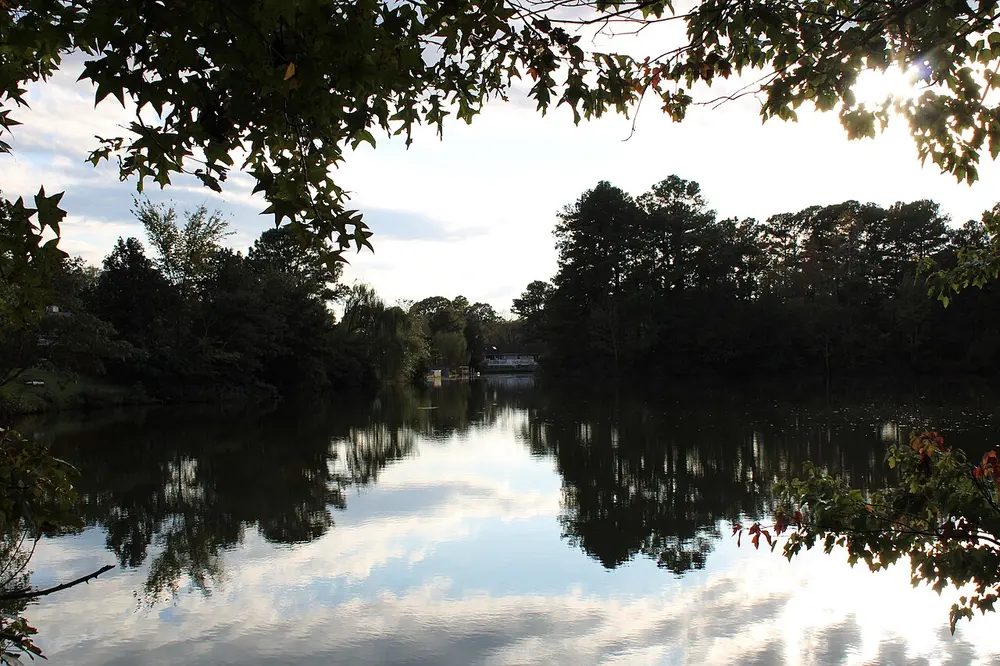
"Mirror Lake" at Lake Placid Park in Virginia Beach, Virginia 01. Photo: Greyfiveys / Wikimedia Commons, CC BY-SA 4.0.
The course
The route follows the Atlantic boardwalk and the Virginia Beach oceanfront, gaining only about 40 metres over the full distance. There is no climb worth preparing for, and the course stays at sea level. The profile is flat in the truest sense.
That simplicity puts the emphasis on pacing. Without hills to break the rhythm, runners can settle into a steady effort and stay there. The oceanfront setting provides the scenery, and the flat ground gives the race its reputation as a fast course.
The boardwalk
Virginia Beach's boardwalk is the spine of the race and one of the reasons the course feels unlike an inland city marathon. It runs beside the Atlantic, with the beach on one side and the resort's hotels and restaurants on the other. On race morning it becomes a long, straight stage with the ocean always in view.
Boardwalk running is deceptively smooth. The surface is even, the horizon is wide and the temptation is to let the pace creep up. Use the boardwalk to find a rhythm, not to chase the excitement of the start. The ocean will still be there in the closing miles. Away from the boardwalk, the route uses the oceanfront streets, where the resort's hotels and side streets give the race a more urban texture.
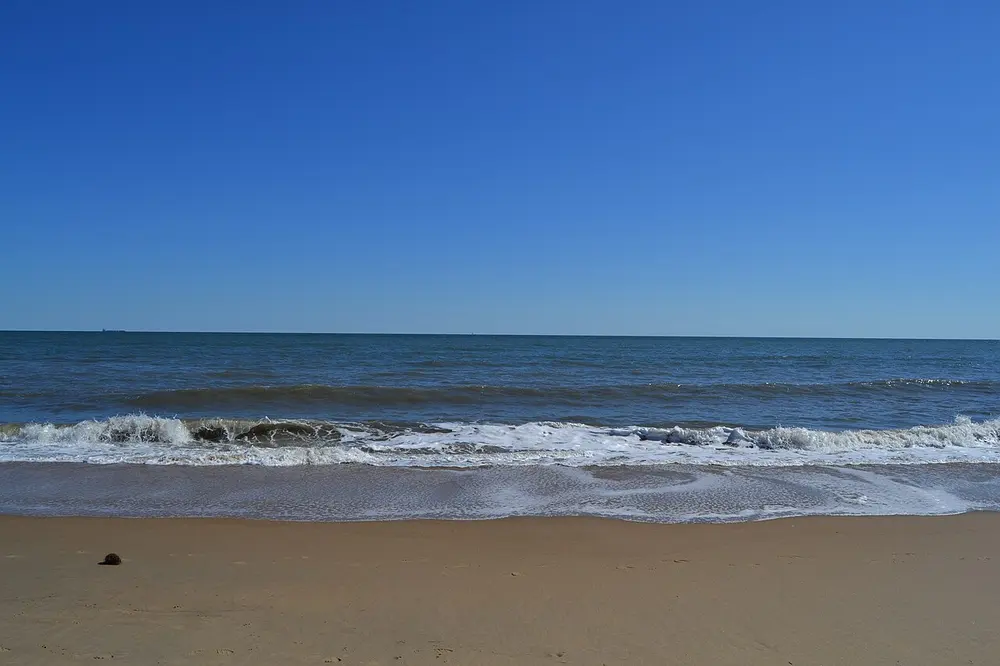
Beach at Virginia Beach Oceanfront - Ocean. Photo: Greyfiveys / Wikimedia Commons, CC BY-SA 4.0.
Forty metres of climbing
Forty metres is less than many runners climb in a single hill repeat session, and here it is spread across 42.195 kilometres. That does not mean the course is featureless; the oceanfront has its gentle rises, bridges and ramps. But there is no sustained ascent and no hill that requires a change of stride.
The practical effect is that the legs never get a break from the same rhythm, and they never get a chance to use different muscles. On a hilly course, the climbs and descents vary the load. Here the load is almost constant, which makes the race a pure test of aerobic patience.
Pacing a course with no excuses
A flat course removes the usual alibis. There is no hill to blame for a slow kilometre and no descent to explain a fast one. The race is entirely a matter of the pace you choose and the discipline you apply to it.
That makes even splits the goal. Start conservatively, settle into a rhythm you can hold and resist the urge to follow runners who go past you early. The oceanfront will feel easy for the first half; the second half is where the flatness becomes a psychological challenge as much as a physical one. Without hills, there is also no natural place to ease off, so build small breaks into your own plan rather than waiting for the course to provide them.
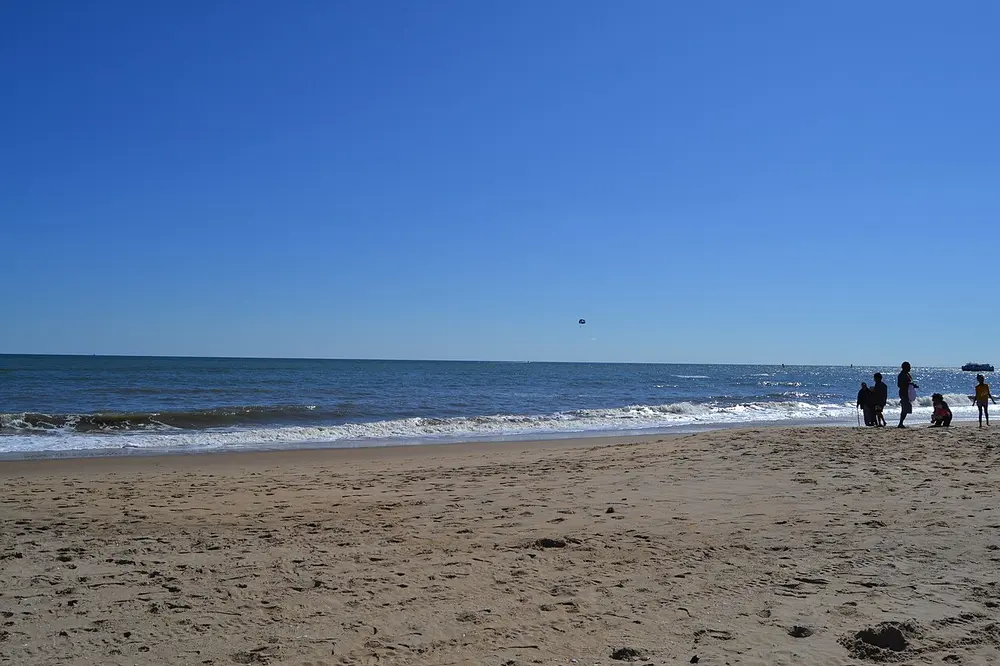
Beach at Virginia Beach Oceanfront - Ocean 2. Photo: Greyfiveys / Wikimedia Commons, CC BY-SA 4.0.
An early-spring race
A March date means the race sits at the end of a winter training block. For runners in colder climates, that is a useful target: the long runs happen in winter, and the race arrives before the heat of summer. For visitors, it makes the trip a transition from winter rather than a summer holiday.
The oceanfront is quiet in early spring compared with the peak season, which gives the race a more local feel. The course is still the same flat, open stretch of coast, and the finish is still beside the Atlantic. For runners from colder places, the weekend doubles as a first taste of the coast before summer arrives. A March marathon also gives the year a clear early target, with the long build falling in winter rather than the heat of summer.
Frequently asked questions
Answers to the questions runners ask before entering, drawn from this race's course guide and the directory's own data — the sources behind them are listed below.
When is the Virginia Beach Marathon?
The next edition is on Sunday 21 March 2027, a March race along the Atlantic boardwalk and oceanfront.
Is the Virginia Beach Marathon a flat course?
Yes. It climbs only about 40 metres over 42.195 km and stays at sea level throughout. There is no sustained ascent and no hill that requires specific preparation.
Is the Virginia Beach Marathon suitable for a first marathon or a personal best?
Yes, for different reasons. The flat, sea-level course makes it a strong personal-best choice and a forgiving first marathon. The main risk is starting too fast because the early miles feel so easy.
Where is the Virginia Beach Marathon run?
The race runs along the Atlantic boardwalk and through the Virginia Beach oceanfront. It stays at sea level for the full distance.
Why is the Virginia Beach Marathon suited to fast times?
The course has almost no climbing, with about 40 metres of gain, and it stays at sea level. The flat profile allows an even pace from start to finish.
How should you pace a flat marathon like Virginia Beach?
Aim for even splits and start more conservatively than feels necessary. Without hills to slow you down, the only limit on an over-fast start is your own discipline. Let the second half decide the race.
More marathons in United States
More marathons in Americas
Sources for this page
What each source below is used for on this page, and where to check this race yourself.
- World Athletics — the label calendar and the road-race regulations. Used to check whether the race holds a World Athletics label, and its elite competition details.
- AIMS — the international course-measurement standard behind the 42.195 km distance, and the AIMS race calendar.
- The organizer's own publications — course maps, race handbooks and published results. The date, course character and climbing on this page are compiled from them and re-checked each season.
Where do these facts come from?
Dates, course type, climbing and time limits are compiled from the organizer's publications and re-checked each season; elevation is an estimate of total climbing rather than a survey figure. Always confirm race-day details with the organizer before making plans.
Last reviewed 27 October 2026