
Columbus Marathon
An autumn loop from the statehouse, past the university and back through German Village: that is the Columbus Marathon in miniature.
By Global Marathon Routes editorial team · Last reviewed 27 October 2026
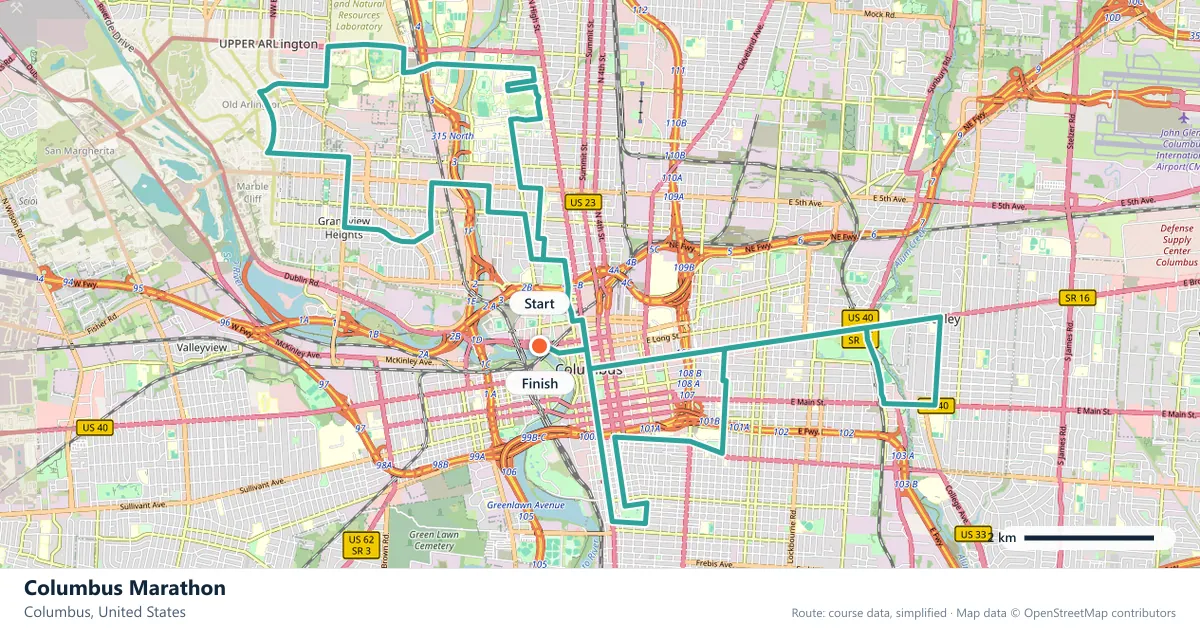
Where does the Columbus Marathon run?
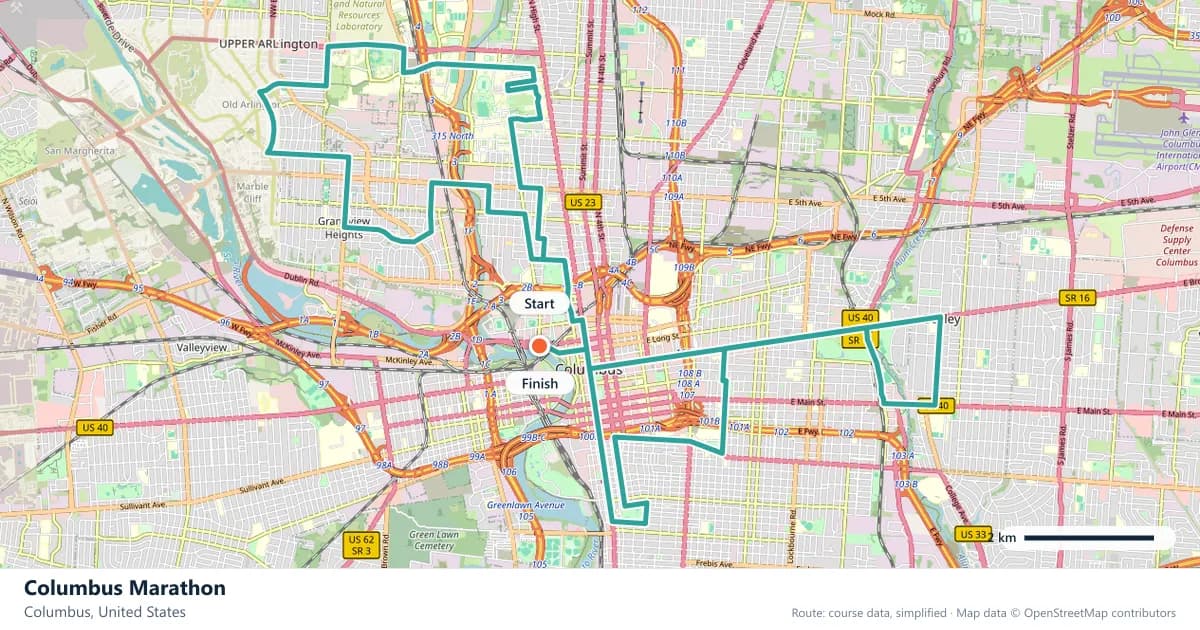
Interactive map
The trace follows the organizer's published course, simplified for the screen: the orange dot is the start, the dark dot the finish. Scroll to zoom, drag to pan.
What is the Columbus Marathon course like?
An autumn loop through Columbus, from the statehouse out past the university and the German Village. Gently rolling, well organised and fast for its size.
- Next edition
- October 2027 (expected)
- Elevation gain
- 115 m
- Profile
- Undulating
- First run
- —
Course guide
An autumn loop from the statehouse, past the university and back through German Village: that is the Columbus Marathon in miniature. The next edition is expected in October 2027, and the course climbs about 115 metres. The profile is undulating rather than flat, though only gently so. It is fast for its size and well organised.
That combination makes Columbus a race with broad appeal. The profile is mild enough for a first marathon, the city streets are wide enough for a steady rhythm, and the autumn date sits at the end of a long training block. The course is not a pure time trial, but it gives a runner a fair chance.
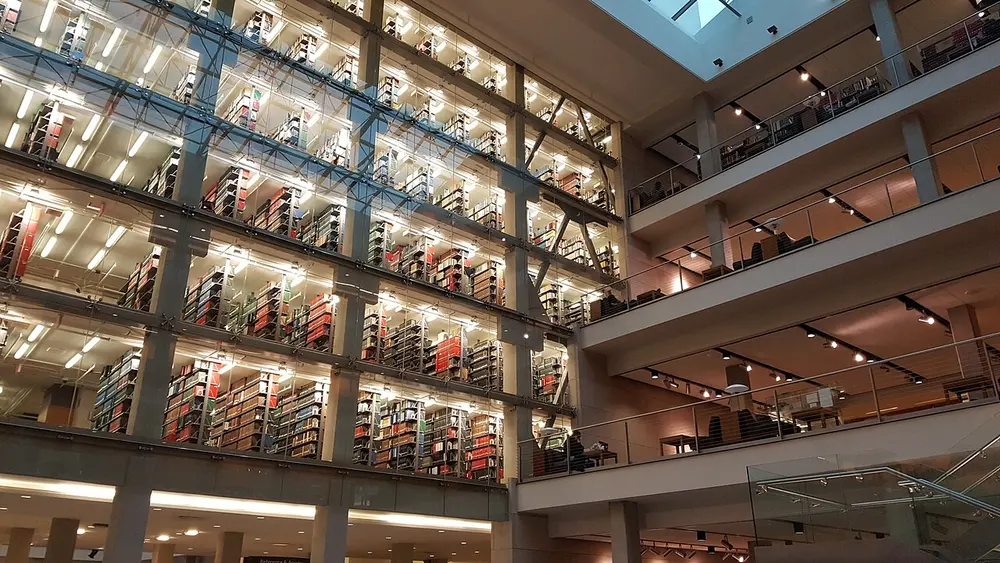
Columbus, Ohio, October 2018. Photo: Another Believer / Wikimedia Commons, CC BY-SA 4.0.
The course
The loop starts in the city centre near the statehouse and heads out towards the university. The German Village section brings brick streets and a quieter rhythm. About 115 metres of climbing is spread across the route in short rises, none concentrated into a single climb. That keeps the course honest without turning it into a hill race.
The loop format gives the day a clean shape. Runners leave the centre, cross the city, and return through a different set of streets, so the course keeps changing without the logistics of a point-to-point. The wide streets near the start help the field spread before the pace settles.
The course's mild profile is deceptive in the best way. There is no climb to fear, but the short rises arrive often enough that a flat-course effort can feel harder than expected. Runners who hold an even effort rather than an even pace will enjoy the day more.
From the statehouse to the university
The Ohio Statehouse sits at the centre of downtown Columbus, a landmark of the city's 19th-century civic ambition. The marathon starts in that orbit, with the city's grid and the Scioto River nearby. The opening miles have the energy of a downtown start.
The route then heads towards Ohio State University, whose campus gives the middle of the race a different character. The streets are broader, the buildings are larger and the sense of space is greater than in the historic centre. For runners, that means room to settle and a chance to find a rhythm before the return south.
The university section also changes the scale of the race, and it is a good place to take a mental checkpoint and assess whether the early pace has been sensible.
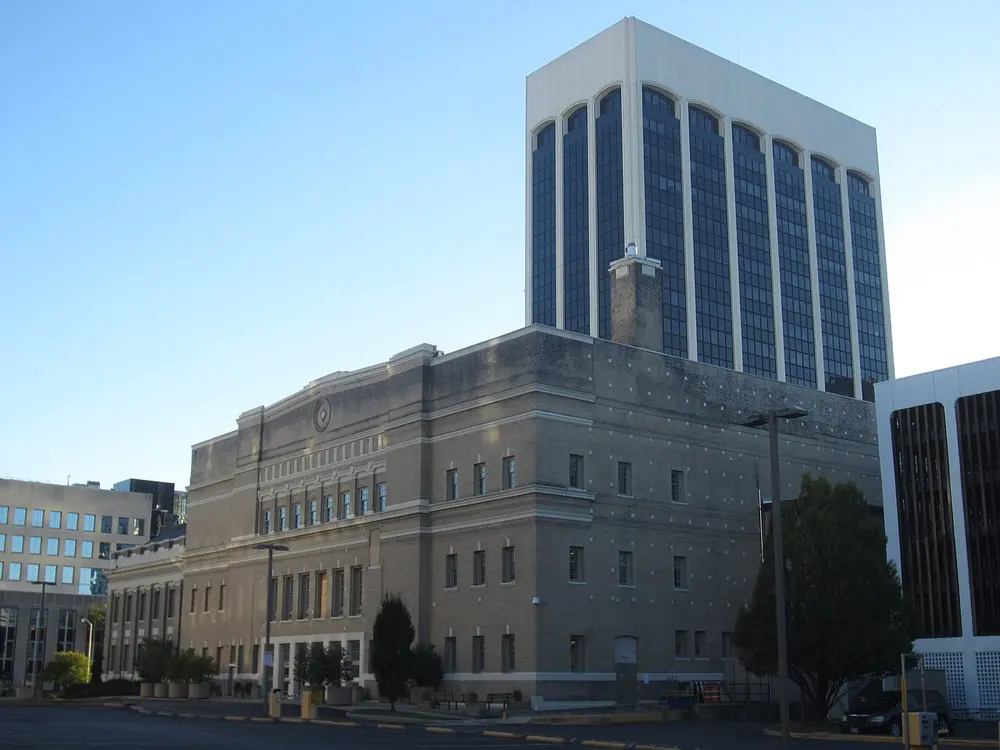
Columbus, Ohio (2018). Photo: Another Believer / Wikimedia Commons, CC BY-SA 4.0.
German Village and the closing miles
German Village is one of Columbus's most distinctive neighbourhoods: brick houses, narrow streets and a scale that feels far from the downtown towers. The marathon uses that change of texture late in the race, and the quieter streets can be a welcome contrast to the open university roads.
Brick streets are slower underfoot than asphalt, and the change of surface is felt when the legs are tired. The section is short, but it asks for attention. Runners should keep their cadence steady and avoid trying to make up time on a surface that does not reward it.
After German Village, the course turns back towards the centre for the finish. The closing miles are not a long climb, but the accumulated short rises and the change of surface make them feel longer than the map suggests. A patient first half leaves enough for a strong finish.
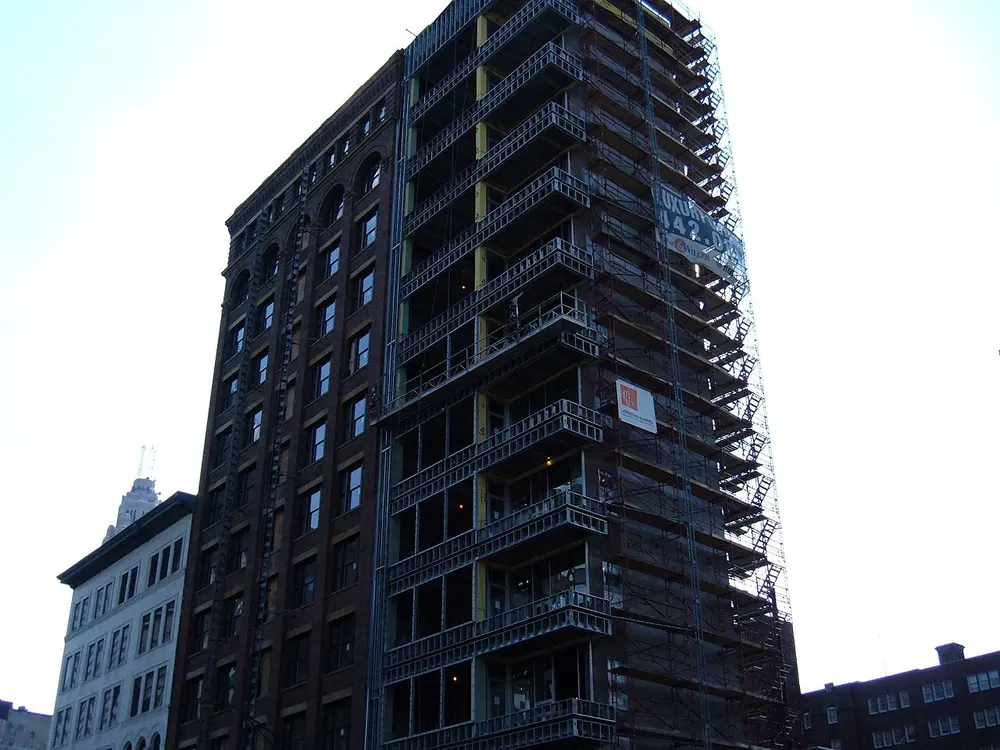
Columbus, Ohio 42. Photo: neighborhoods.org / Wikimedia Commons, CC BY-SA 2.0.
Making the loop count
- The rolling profile. The climbs are short and spread out, so they are easy to dismiss. Collectively they add up to about 115 metres and reward even effort.
- The city-centre opening. The first kilometres are busy. Let the field spread before chasing a pace.
- German Village. Brick streets and narrower blocks change the rhythm after the open university roads. Expect a quieter, more enclosed section.
- The autumn date. The race sits late in the season, so plan the training block around it and arrive ready rather than squeezing in final long runs.
Frequently asked questions
Answers to the questions runners ask before entering, drawn from this race's course guide and the directory's own data — the sources behind them are listed below.
When is the Columbus Marathon?
The 2026 edition is on 18 October. It is an October race, and the organiser publishes the start arrangements and race-weekend details closer to the event.
Is the Columbus Marathon a fast course?
It is. The profile is gently rolling with about 115 metres of climbing, and the long city streets give the field room to run. It is not as flat as the fastest major courses, but it is quick for its size.
Is it a good race for a personal best?
The modest climbing, the loop format and the October date all help. The course is unlikely to be what holds you back, provided you pace the short rises sensibly and do not let the downtown start pull you along too fast.
Is it suitable for a first marathon?
Yes. The rolling profile is forgiving, the race is well organised and the course stays within the city, which simplifies logistics. The main discipline is not letting the fast opening miles set an unsustainable rhythm.
Where is the marathon run?
The race is run in Columbus, Ohio, on a loop from the statehouse out past the university and back through German Village. It stays within the city.
What is the hardest part of the course?
There is no single hard climb. The challenge is cumulative: short rises, a few changes of surface and a late section through German Village. Runners who stay patient through the first half cope best.
More marathons in United States
More marathons in Americas
Sources for this page
What each source below is used for on this page, and where to check this race yourself.
- World Athletics — the label calendar and the road-race regulations. Used to check whether the race holds a World Athletics label, and its elite competition details.
- AIMS — the international course-measurement standard behind the 42.195 km distance, and the AIMS race calendar.
- The organizer's own publications — course maps, race handbooks and published results. The date, course character and climbing on this page are compiled from them and re-checked each season.
Where do these facts come from?
Dates, course type, climbing and time limits are compiled from the organizer's publications and re-checked each season; elevation is an estimate of total climbing rather than a survey figure. Always confirm race-day details with the organizer before making plans.
Last reviewed 27 October 2026