
Fukuoka Marathon
Fukuoka's marathon is compact, coastal and quick. The next edition is on 8 November 2026, and the race starts and finishes in central Fukuoka before running out past the bay.
By Global Marathon Routes editorial team · Last reviewed 27 October 2026
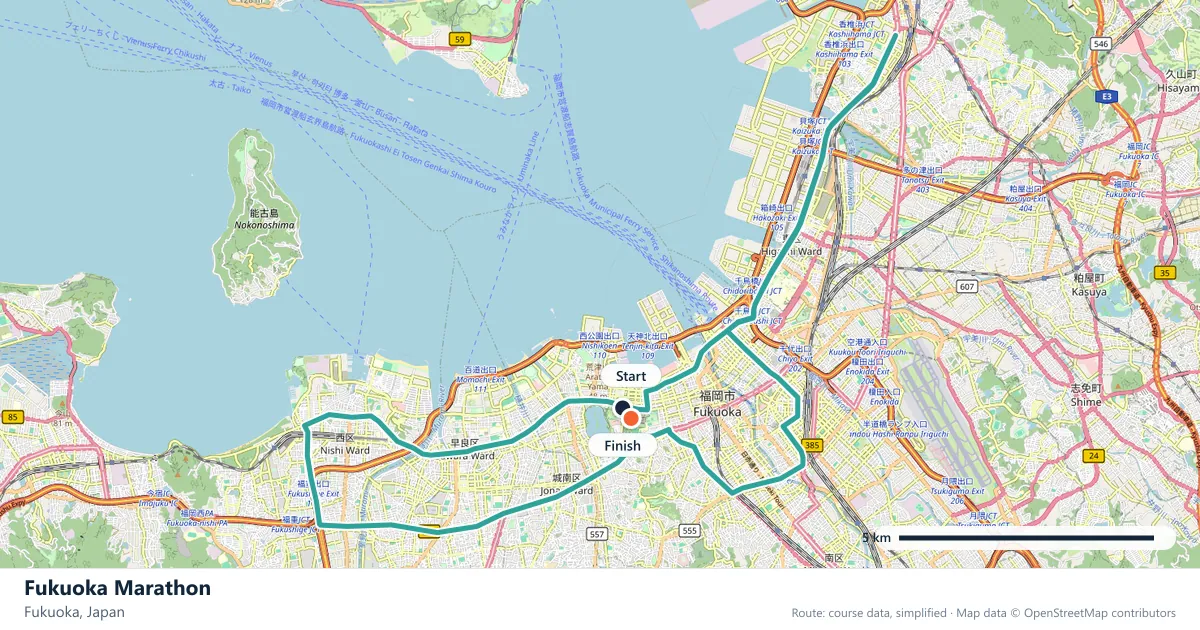
Where does the Fukuoka Marathon run?
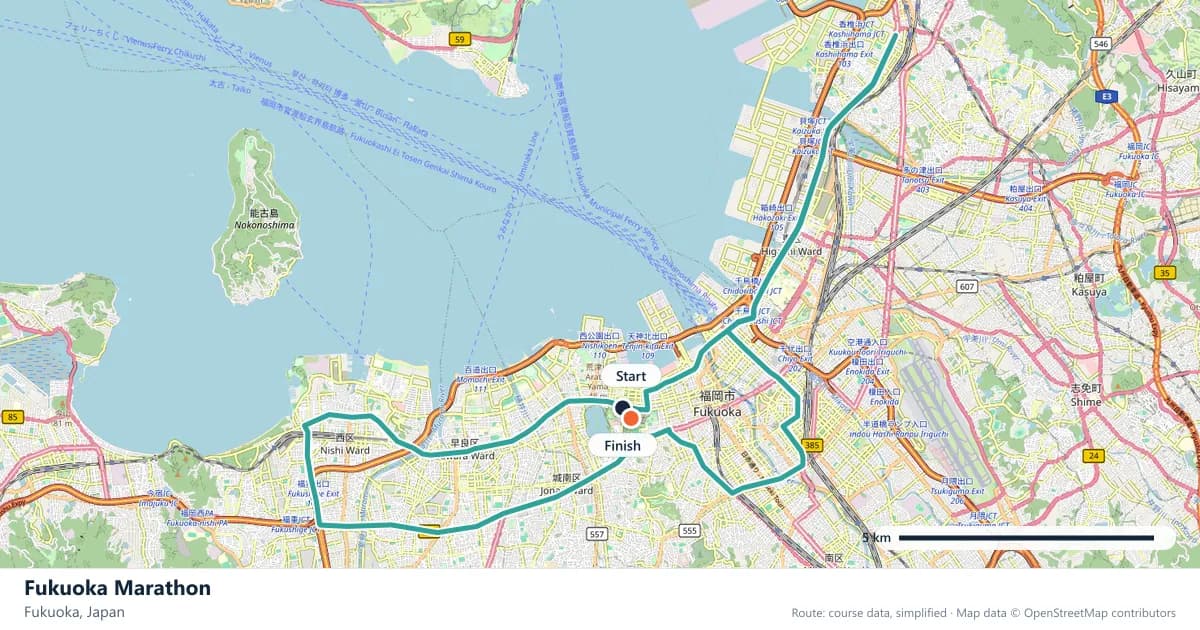
Interactive map
The trace follows the organizer's published course, simplified for the screen: the orange dot is the start, the dark dot the finish. Scroll to zoom, drag to pan.
What is the Fukuoka Marathon course like?
A November city marathon on the Kyushu coast, starting and finishing in central Fukuoka and running out past the bay. Mild weather and a mostly flat, quick course.
- Next edition
- 08 November 2026
- Elevation gain
- 145 m
- Profile
- Undulating
- First run
- —
Course guide
Fukuoka's marathon is compact, coastal and quick. The next edition is on 8 November 2026, and the race starts and finishes in central Fukuoka before running out past the bay. It climbs about 145 metres, carries a World Athletics Elite Label and is well suited to fast times.
That combination — a city-centre start, a bay section and mild autumn weather — is why Fukuoka has a reputation for quick running. The course is mostly flat and only gently rolling, and the route's out-and-back shape makes it easy to read. It is a marathon that rewards rhythm.
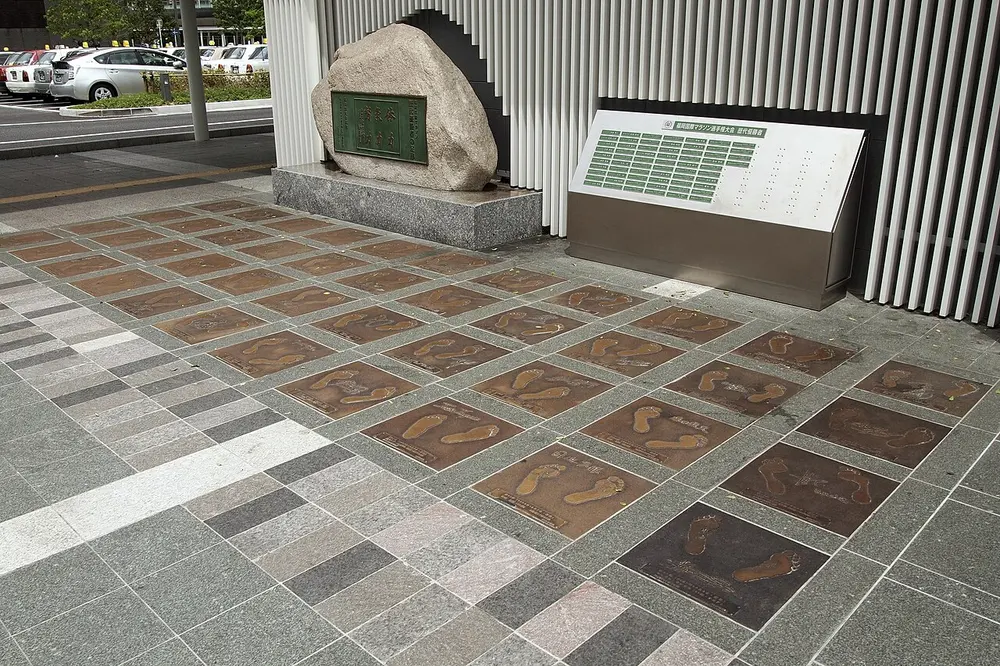
Fukuoka Marathon Monument. Photo: ぱちょぴ(pacyopi) / Wikimedia Commons, CC BY-SA 3.0.
The course
The race starts and finishes in central Fukuoka, running out past the bay before returning to the city. The course is mostly flat and quick, with about 145 metres of climbing. That total is enough to call the profile undulating, but not enough to require a hill-specific block.
The bay section gives the race its open, coastal feel, while the central start and finish keep logistics simple. Because the climbing is gentle and November is usually mild, the course rewards an even tempo rather than a heroic surge. The return towards the city is where the gentle rolls test your pacing.
Out past the bay
The run out past the bay is the course's signature. The city gives way to water, the road opens up and the race takes on a coastal character that is rare in a downtown marathon. For a stretch, the running feels less like a city race and more like a seaside time trial.
That openness is also a test. The bay section can feel effortless on the way out and considerably longer on the way back. Runners should use the outbound leg to settle into their target rhythm, not to bank time. The return is where the race is actually run.
Central start and finish
Starting and finishing in central Fukuoka makes the race unusually convenient for a big-city marathon. The city's transport links do the work, the start and finish are in the same area and the route returns to the centre rather than finishing in a distant suburb.
That compactness gives the day a clean shape. Runners can focus on the race rather than on logistics, and spectators can see the field off and welcome it back without a cross-city journey. It is one of the reasons Fukuoka feels like a classic city marathon rather than an event staged around the edges.
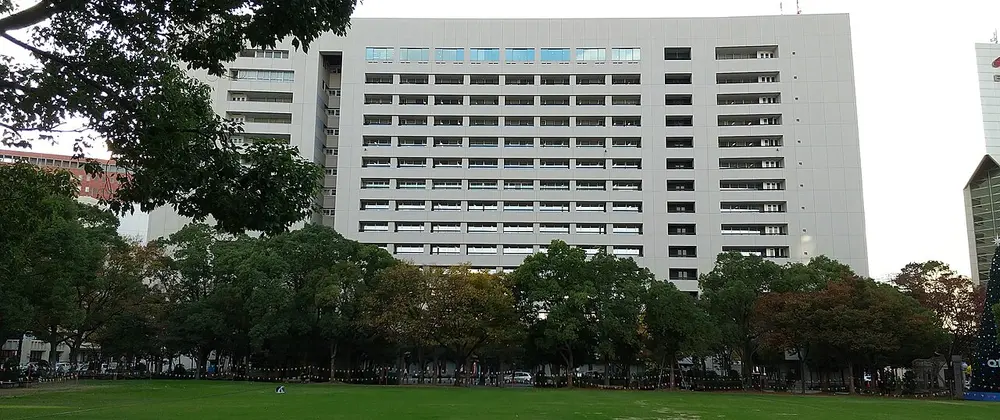
Façade of Fukuoka City Hall 8-1 Tenjin-1-chōme Chūō-ku Fukuoka City 20221124. Photo: Hirho / Wikimedia Commons, CC BY-SA 4.0.
A quick autumn race
The course's fast reputation rests on three things: a mostly flat profile, a mild November date and a route that avoids the sharp climbs of a hilly city. None of them guarantees a personal best, but together they give runners a fair chance.
The gentle rolls are the detail that matters. With about 145 metres of climbing, the course never forces a walk and never offers a long descent. The effort has to come from the pace you choose, which makes discipline more important than tactics.
November on the Kyushu coast
November is a mild month in Fukuoka, and the race is timed to take advantage of it. The autumn conditions are one of the reasons the marathon has a quick reputation, and they make the coastal section more pleasant than it would be in summer.
Mild does not mean unchanging. The bay is exposed, the weather can shift and the return to the city can feel different from the outward leg. Runners should prepare for a range and adjust their target if the day turns warmer or windier than expected.
What the race rewards
Fukuoka rewards runners who can hold a rhythm. The course is not dramatic, the climbs are not severe and the scenery changes gradually from city to bay and back. That makes it a good race for a controlled personal-best attempt and a less obvious choice for a first marathon.
The Elite Label reflects the event's standard. For the mass runner, the appeal is the combination of a quick course, a compact city and a coastal stretch that gives the marathon a sense of place. It is a race that asks for patience and gives back time.
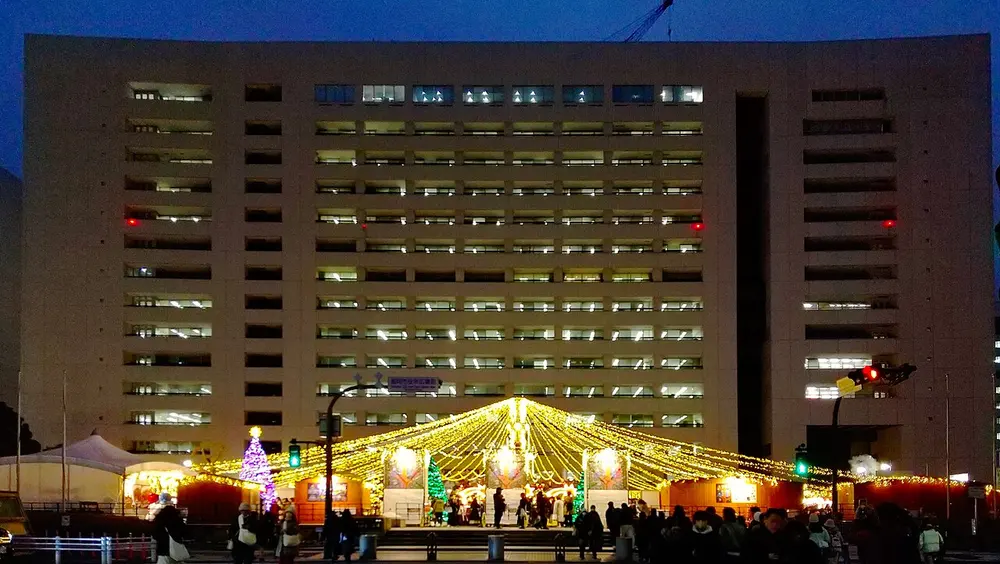
Fukuoka City Hall Main Bldg the W side Tenjin 1-chōme Chūō-ku Fukuoka 20231219. Photo: Hirho / Wikimedia Commons, CC BY-SA 4.0.
Frequently asked questions
Answers to the questions runners ask before entering, drawn from this race's course guide and the directory's own data — the sources behind them are listed below.
When is the Fukuoka Marathon?
The race is on 8 November 2026. It is an early-November race on the Kyushu coast.
Is the Fukuoka Marathon flat or hilly?
It is mostly flat and quick, with about 145 metres of climbing. The course is undulating in name, but the rises are gentle and there is no sustained hill.
Where does the race start and finish?
The start and finish are in central Fukuoka. The route runs out past the bay before returning to the city.
Is Fukuoka a good race for a personal best?
The mild autumn weather and mostly flat profile make it a strong candidate for a fast time. The exposed bay section and the gentle rolls mean the pace still has to be managed.
Is it suitable for a first marathon?
Fukuoka's identity is a quick city marathon rather than a debut event. The gentle profile helps, but the bay section and the course's quick reputation set the tone.
Does the race hold a World Athletics label?
Yes. The Fukuoka Marathon carries a World Athletics Elite Label.
More marathons in Japan
More marathons in Asia
Sources for this page
What each source below is used for on this page, and where to check this race yourself.
- World Athletics — the label calendar and the road-race regulations. Used to check whether the race holds a World Athletics label, and its elite competition details.
- AIMS — the international course-measurement standard behind the 42.195 km distance, and the AIMS race calendar.
- The organizer's own publications — course maps, race handbooks and published results. The date, course character and climbing on this page are compiled from them and re-checked each season.
“A World Athletics Label denotes a full application of the Competition and Technical Rules in, at a minimum, the elite component of the competition. Labels also denote superior standards in event organisation, safety and runner experience, support from public authorities to the event and a financial commitment to anti-doping.”
Where do these facts come from?
Dates, course type, climbing and time limits are compiled from the organizer's publications and re-checked each season; elevation is an estimate of total climbing rather than a survey figure. Always confirm race-day details with the organizer before making plans.
Last reviewed 27 October 2026