
Cork City Marathon
Cork's marathon is shaped by water. The city is built on the River Lee, which splits into channels before entering the harbour, and the race crosses it several times between the docks and the…
By Global Marathon Routes editorial team · Last reviewed 27 October 2026
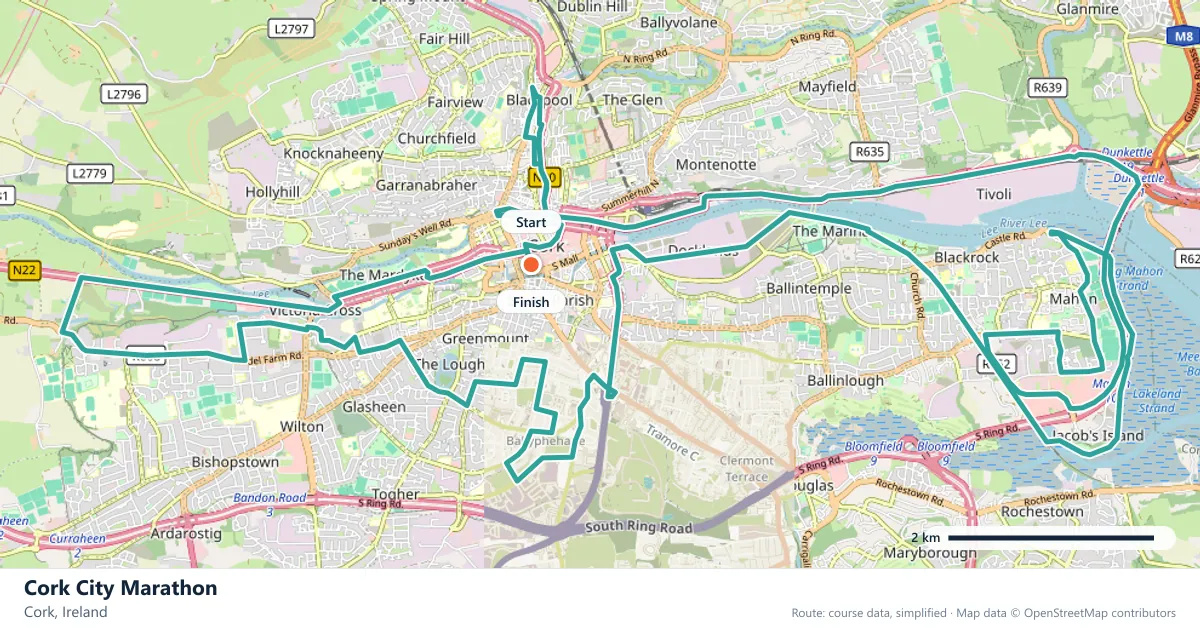
Where does the Cork City Marathon run?
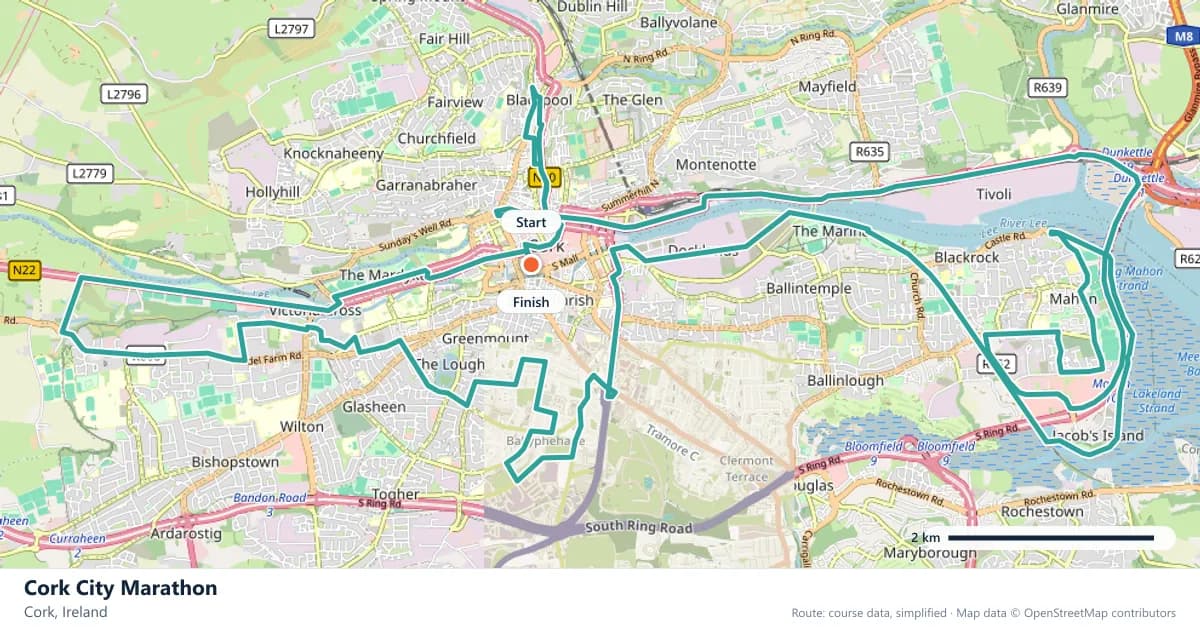
Interactive map
The trace follows the organizer's published course, simplified for the screen: the orange dot is the start, the dark dot the finish. Scroll to zoom, drag to pan.
What is the Cork City Marathon course like?
A city-and-harbour course that crosses the River Lee several times between the docks and the suburbs. Long drags rather than steep climbs, with the finish back in the city centre.
- Next edition
- May 2027 (expected)
- Elevation gain
- 186 m
- Profile
- Undulating
- First run
- —
Course guide
Cork's marathon is shaped by water. The city is built on the River Lee, which splits into channels before entering the harbour, and the race crosses it several times between the docks and the suburbs. The next edition is expected in May 2027, over an undulating course with about 186 metres of climbing.
The repeated crossings are more than navigation. Each one changes the view and the tone of the race: docks and cranes on one side, terraces and church spires on the other. The finish brings the route back into the city centre, so the race keeps pulling you home rather than sending you out into open country.
Cork is Ireland's second city in scale but not in self-belief, and the marathon reflects that: a compact, urban race with a harbour at its edge and a genuine city finish. It is a course for personal bests and for first marathons, and the long drags are gentle enough for either goal.
The course
The route connects the docks with the suburbs and crosses the River Lee several times. Those crossings give the race its structure, breaking the distance into sections and keeping the harbour in view. The middle of the course moves between industrial water, residential streets and the low ridges that surround the city.
The profile is undulating without being severe. The climbing comes in long drags that slow you gradually rather than forcing a change of stride, and the total is about 186 metres. The last part of the race heads back into the city centre, so the finish is a return rather than an escape.
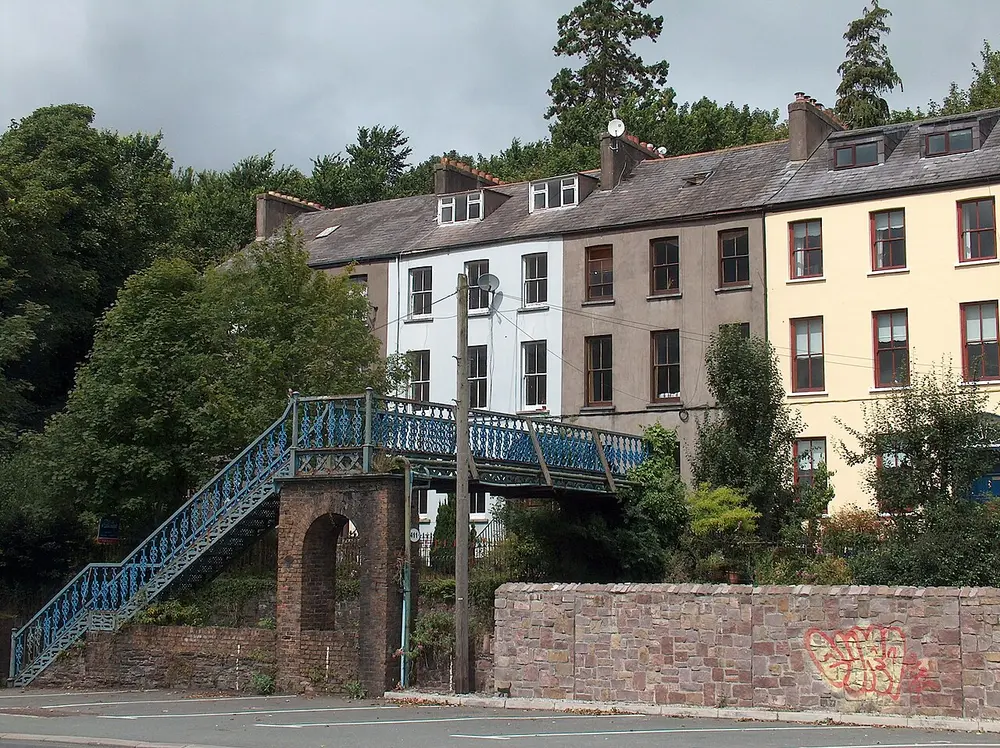
Railway Bridge and terraced houses on the edge of Cork City - geograph.org.uk. Photo: Neil Theasby / Wikimedia Commons, CC BY-SA 2.0.
Crossing the Lee
The Lee is not a single tidy river in Cork. It divides into channels around the city centre, creating islands, quays and a patchwork of bridges. The marathon uses that geography, and the crossings become landmarks in their own right.
Each bridge brings a short rise and a change of surface, and each one opens a different view of the city. The docks are wide and open; the older streets are narrow and shaded. The contrast is part of what makes the race feel like a tour of Cork rather than a loop around it.
The practical advice is not to surge across the bridges. They interrupt the rhythm, and trying to make up time on every ramp costs more than it gains. Run them at an even effort and use the far side to settle back into pace.
Docks, suburbs and the pull home
The course moves between the working harbour and the residential hills, and the last part of the race turns back towards the centre. That return is the defining feature: the city gets closer, the streets get busier, and the finish arrives in the middle of Cork rather than in a field on the edge.
The long drags are the main physical challenge. They are not steep enough to walk, but they are long enough to tax the legs if the pace has been too ambitious. Runners chasing a personal best should treat them as steady effort sections, not as places to attack.
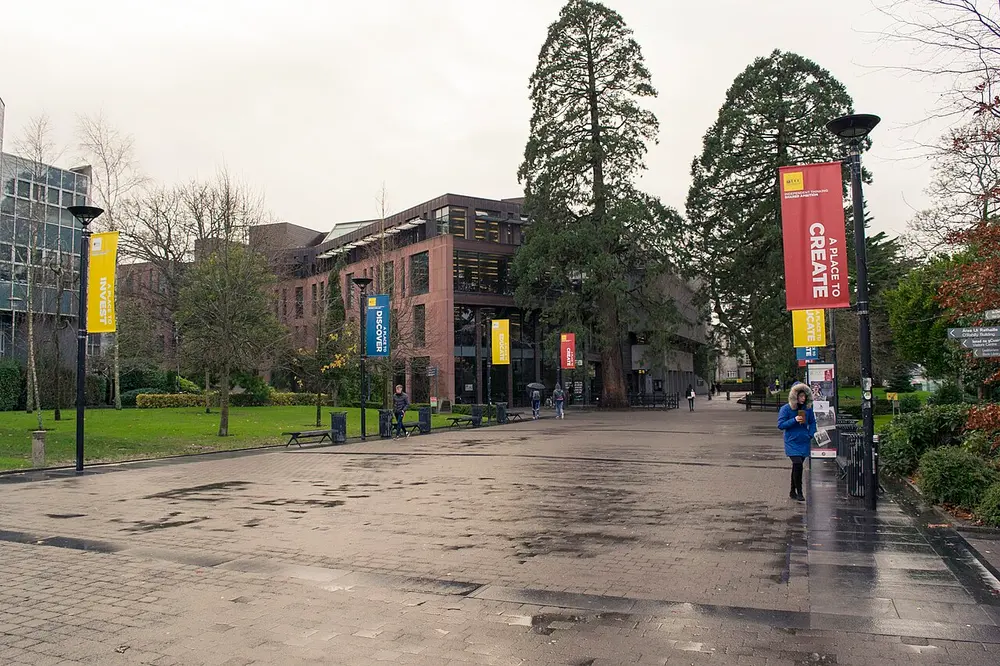
University Of Cork 65. Photo: José Sáez / Wikimedia Commons, CC BY-SA 3.0.
Cork in early summer
May 2027 is expected rather than confirmed, so keep travel plans flexible until the organiser publishes the date. Early summer is a good time to be in Cork: the city is lively, the harbour is at its best, and the evenings are long.
Cork has a strong food culture centred on the English Market, and the city centre is compact enough to explore on foot. The tower of St Anne's Shandon, with its famous weathervane, is one of the landmarks that gives the skyline its character. A race weekend here is as much about the city as the running.
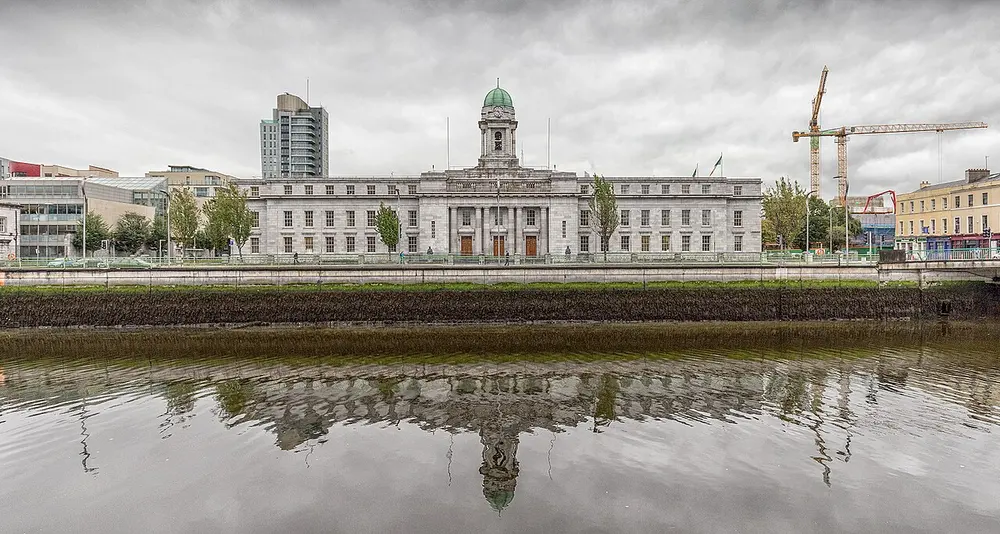
City Hall, Cork - geograph.org.uk. Photo: David P Howard / Wikimedia Commons, CC BY-SA 2.0.
Frequently asked questions
Answers to the questions runners ask before entering, drawn from this race's course guide and the directory's own data — the sources behind them are listed below.
When is the Cork City Marathon?
The next edition is expected in May 2027. The date is not confirmed, so check the organiser's calendar before booking travel.
Is the Cork City Marathon flat or hilly?
It is undulating rather than flat or hilly. The route climbs about 186 metres in long drags, with no steep pitches, so it is quicker than a hill course but not as level as a dedicated fast course.
Is Cork suitable for a first marathon or a personal best?
The long, gradual drags and the city-centre finish make it manageable for a debut, while the limited climbing gives a personal-best attempt a fair chance. The key is to pace the drags rather than attacking them.
Where is the Cork City Marathon run?
It is run in Cork between the docks and the suburbs, crossing the River Lee several times. The finish is in the city centre.
Does the course cross the River Lee?
Yes, it crosses the river several times. Those crossings link the docks with the suburbs and give the race its distinctive city-and-harbour character.
What is the hardest part of the course?
The long drags, especially in the second half, are the main challenge. They are gentle enough to run but long enough to wear you down if the early pace was too quick.
More marathons in Ireland
More marathons in Europe
Sources for this page
What each source below is used for on this page, and where to check this race yourself.
- World Athletics — the label calendar and the road-race regulations. Used to check whether the race holds a World Athletics label, and its elite competition details.
- AIMS — the international course-measurement standard behind the 42.195 km distance, and the AIMS race calendar.
- The organizer's own publications — course maps, race handbooks and published results. The date, course character and climbing on this page are compiled from them and re-checked each season.
Where do these facts come from?
Dates, course type, climbing and time limits are compiled from the organizer's publications and re-checked each season; elevation is an estimate of total climbing rather than a survey figure. Always confirm race-day details with the organizer before making plans.
Last reviewed 27 October 2026