
Chennai Marathon
Chennai's marathon is run at sea level, on a flat coast, in a tropical city. The figures look fast: around 24 metres of climbing over 42.195 kilometres, a route along the Bay of Bengal and a January…
By Global Marathon Routes editorial team · Last reviewed 27 October 2026
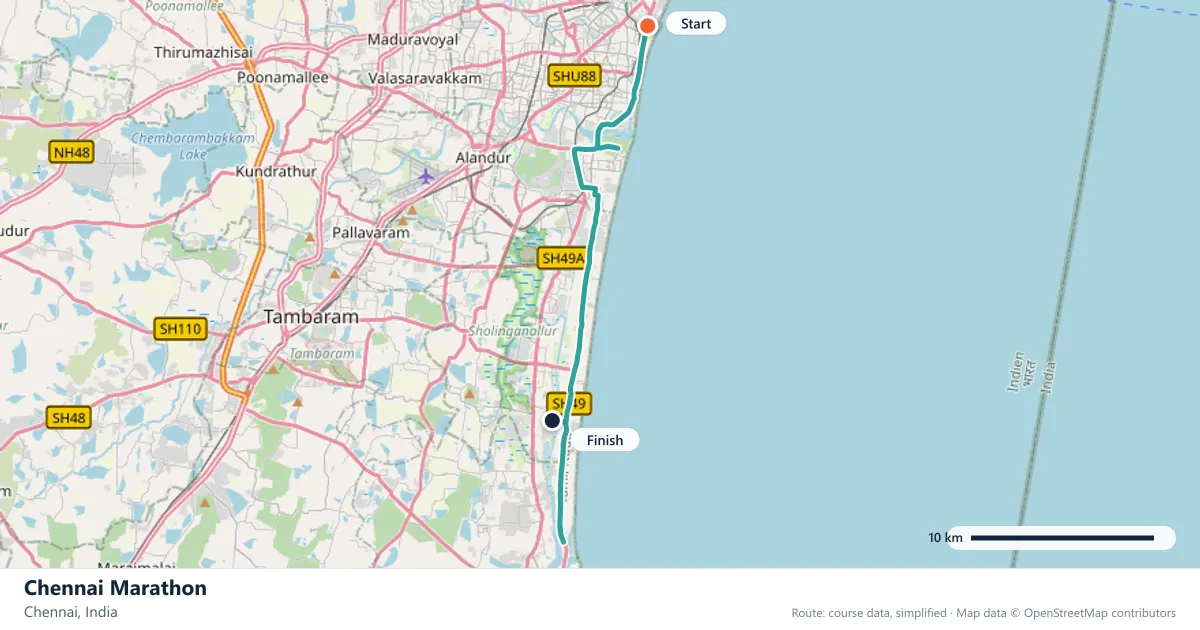
Where does the Chennai Marathon run?
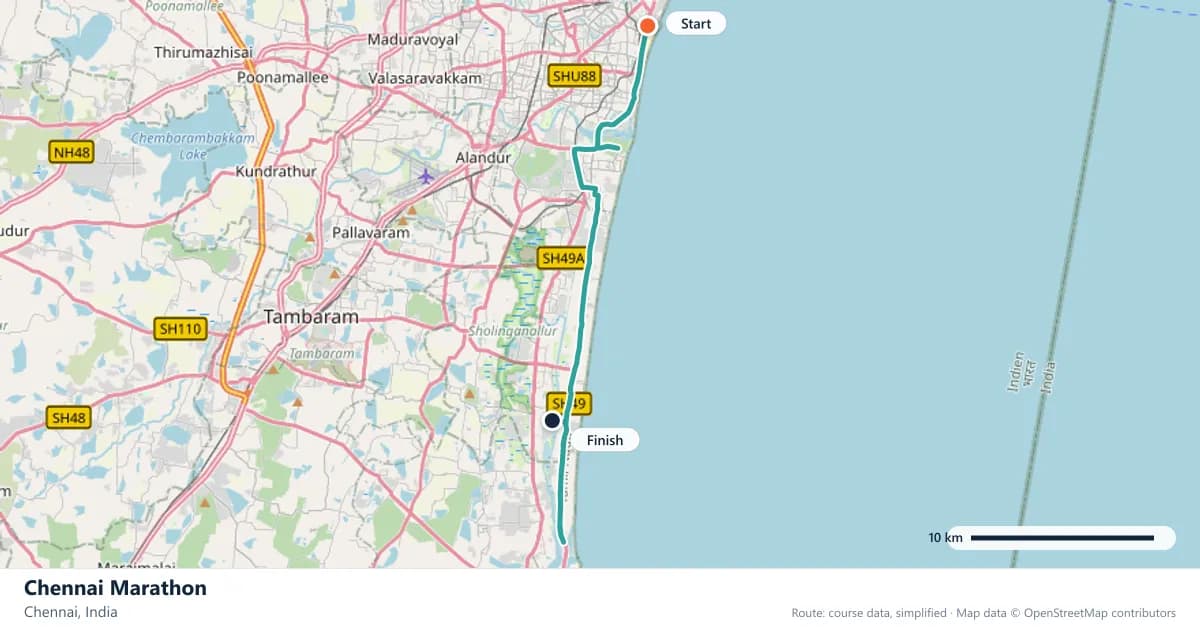
Interactive map
The trace follows the organizer's published course, simplified for the screen: the orange dot is the start, the dark dot the finish. Scroll to zoom, drag to pan.
What is the Chennai Marathon course like?
A flat coastal marathon along the Bay of Bengal, with the Marina beach front carrying the field past Chennai's landmarks. Sea-level and quick, if the morning heat allows.
- Next edition
- January 2027 (expected)
- Elevation gain
- 24 m
- Profile
- Flat
- First run
- —
Course guide
Chennai's marathon is run at sea level, on a flat coast, in a tropical city. The figures look fast: around 24 metres of climbing over 42.195 kilometres, a route along the Bay of Bengal and a January date. The next edition is expected in January 2027, and the course is well suited to fast times.
The variable is the morning heat. Chennai is a tropical city, and the Marina beach front offers little protection once the sun is up. The race is quick when conditions allow and considerably harder when they do not. That tension between a genuinely fast course and a demanding climate is what defines the day.
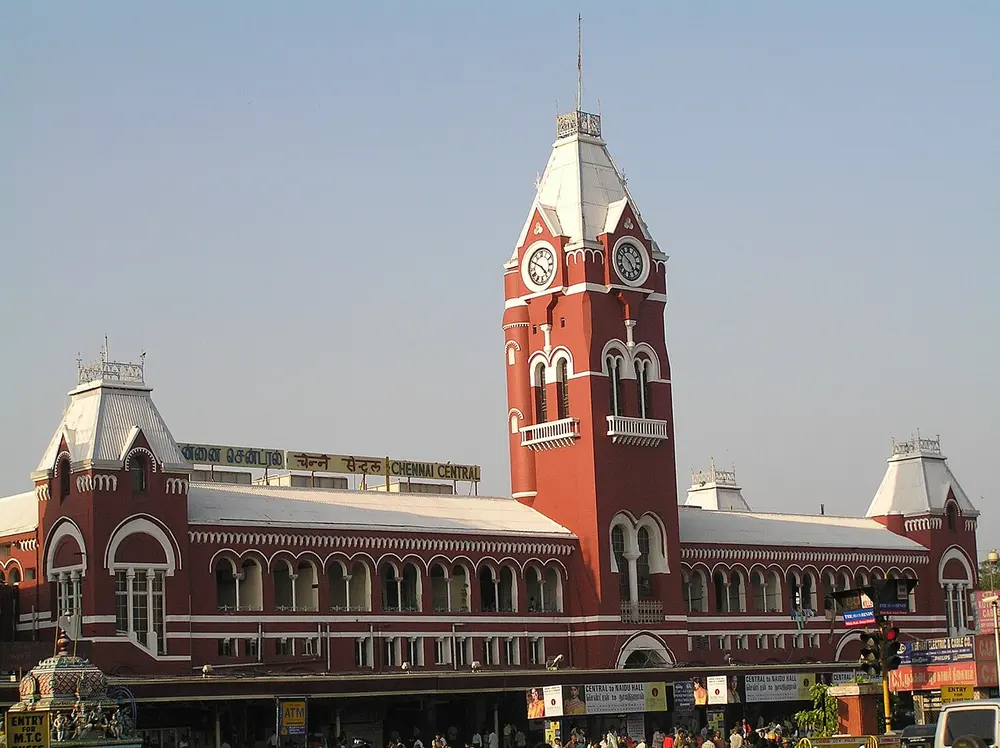
ChennaiCentral2. Photo: No machine-readable author provided. SwiftRakesh assumed (based on copyright claims). / Wikimedia Commons, CC BY-SA 3.0.
The course
The route follows the Bay of Bengal coast, using the Marina beach front to carry the field past Chennai's landmarks. The profile is genuinely flat: only about 24 metres of climbing, so there are no hills to break up the effort and no descents to recover on. The sea is the constant companion, and the city sits just behind the sand.
The course's openness is part of its character. The Marina front gives the race long views and a sense of scale, while the flat ground keeps the pace honest. There is nowhere to hide on a course like this: the clock tells the truth from the first kilometre.
The Marina front
The Marina is Chennai's great public space, a long seafront promenade facing the Bay of Bengal. The marathon uses it as the spine of the race, and the result is a course that feels both urban and coastal. The beach, the road and the city behind it create a sequence of views that a loop through backstreets could never match.
The seafront is also where the race is most exposed. The open road offers little shade, and the heat builds as the morning goes on. Runners should treat the Marina as a place to hold rhythm rather than to chase a split, and take advantage of every chance to cool down and drink.
Heat is the course
The flat profile makes Chennai a fast course on paper. The heat makes it a different race in practice. The morning temperature is the single biggest variable, and it can turn a target time into an ambition rather than a plan.
That does not mean the race is slow by default. It means the pacing has to respect the conditions. Start conservatively, drink early and adjust the target if the day is warmer than expected. The runners who do best in Chennai are usually the ones who treated the weather as part of the course rather than as an excuse.
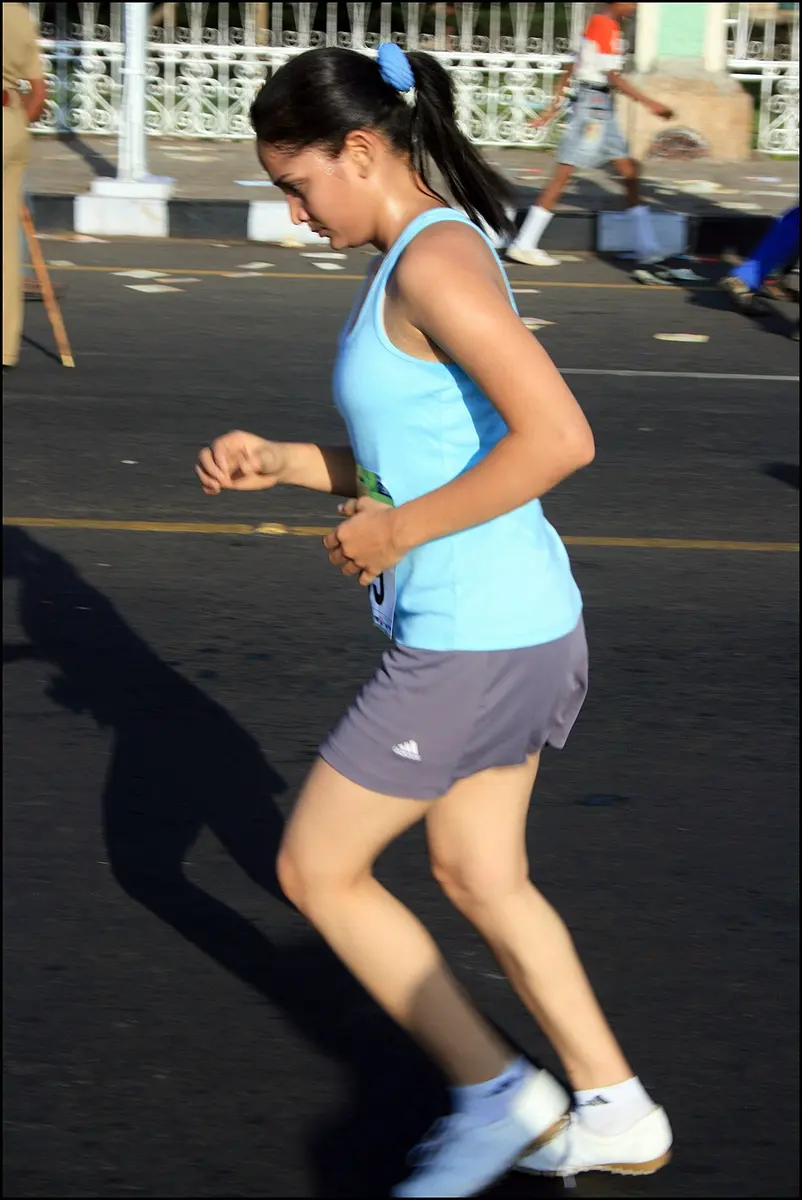
Runner at Chennai Marathon. Photo: Rajkumar R / Wikimedia Commons, CC BY-SA 2.0.
Sea-level speed
With no altitude and almost no climbing, Chennai offers the purest version of a sea-level road race. The air is dense, the ground is flat and the only resistance comes from the distance itself. For runners accustomed to hills, the opening kilometres can feel remarkably easy.
That is also the trap. A flat course at sea level invites a pace that feels sustainable long before it is. The second half of a marathon is always a reckoning, and in Chennai it arrives with the heat already in play. Even splits are the goal, and the first 10 kilometres are where they are won or lost.
A January morning in Chennai
The January date places the race in the city's winter season, which is the best window the climate offers. It does not guarantee a cool morning, and the coastal location means the conditions can change quickly. The race is a morning event for a reason: the earlier kilometres are the ones where fast running is possible.
Runners travelling to Chennai should plan around the climate as much as the course. Light clothing, early hydration and a realistic target matter more than a detailed split plan. The reward is a marathon with a rare combination of flat ground, sea views and a genuine sense of place.
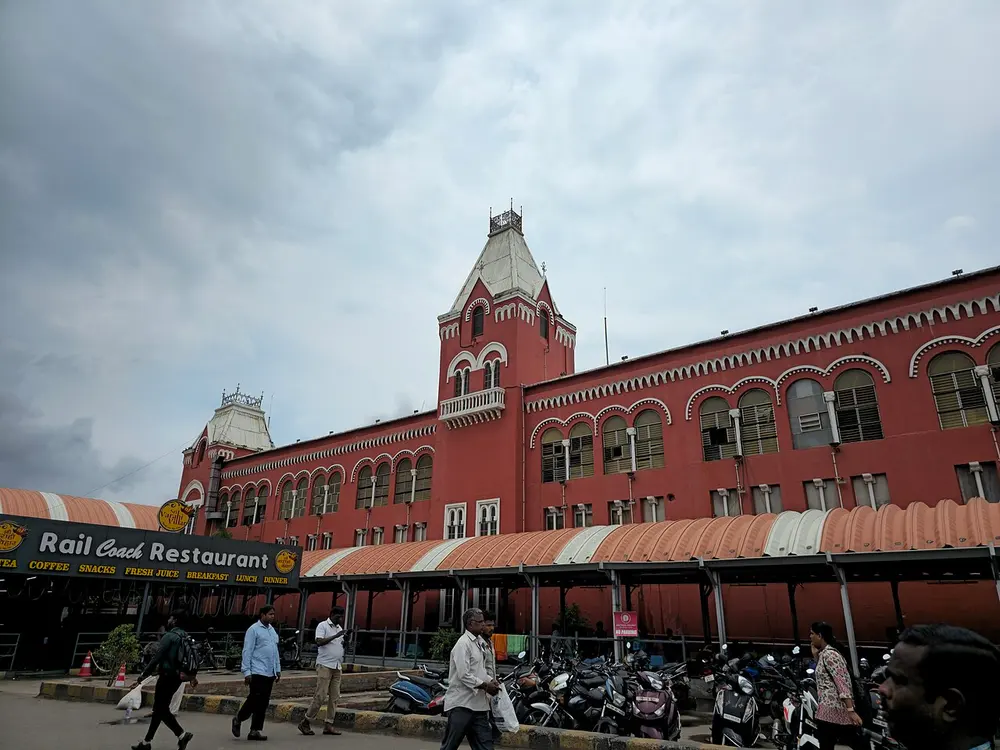
Chennai Central Railway Station. Photo: Ganesh Mohan T / Wikimedia Commons, CC BY-SA 4.0.
Frequently asked questions
Answers to the questions runners ask before entering, drawn from this race's course guide and the directory's own data — the sources behind them are listed below.
When is the Chennai Marathon?
The next edition is expected in January 2027. The exact date is still provisional, so confirm it before booking travel.
Is the Chennai Marathon a flat course?
Yes. It has only about 24 metres of climbing over 42.195 kilometres, making it a very flat course. The route follows the coast and the Marina beach front, with no meaningful hills.
Where does the course run?
The race follows the Bay of Bengal coast and uses the Marina beach front to pass the city's landmarks. It is a coastal city course rather than a loop through the interior.
Is Chennai a good race for a personal best?
The flat, sea-level course is well suited to fast times. The morning heat can override that advantage, so a personal best depends on starting conservatively and getting a kind morning.
Is it suitable for a first marathon?
The race is not built around first-timers. The tropical conditions make the day more demanding than the flat profile suggests, and anyone lining up for a debut should prioritise hydration and a conservative pace.
What is the main challenge on race day?
The heat. The course is flat and fast, but the morning temperature decides whether the day is quick. Pacing and hydration matter more than hill training.
More marathons in India
More marathons in Asia
Sources for this page
What each source below is used for on this page, and where to check this race yourself.
- World Athletics — the label calendar and the road-race regulations. Used to check whether the race holds a World Athletics label, and its elite competition details.
- AIMS — the international course-measurement standard behind the 42.195 km distance, and the AIMS race calendar.
- The organizer's own publications — course maps, race handbooks and published results. The date, course character and climbing on this page are compiled from them and re-checked each season.
Where do these facts come from?
Dates, course type, climbing and time limits are compiled from the organizer's publications and re-checked each season; elevation is an estimate of total climbing rather than a survey figure. Always confirm race-day details with the organizer before making plans.
Last reviewed 27 October 2026