
Punta del Este Marathon
Punta del Este is a resort town first and a marathon venue second, and the race makes the most of the setting.
By Global Marathon Routes editorial team · Last reviewed 27 October 2026
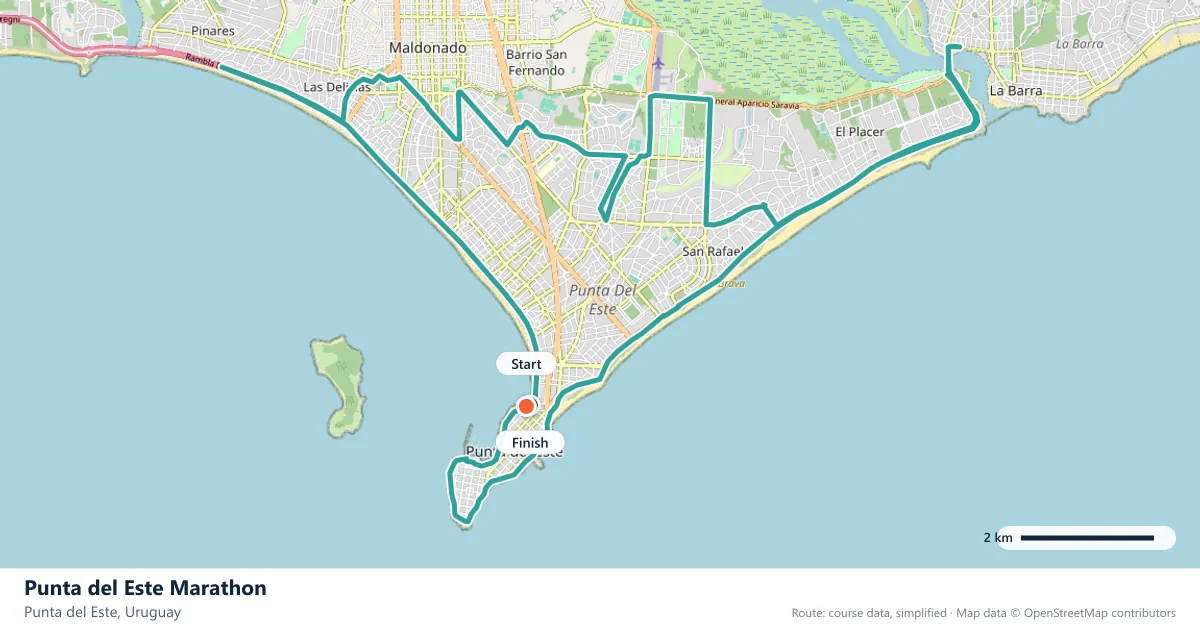
Where does the Punta del Este Marathon run?
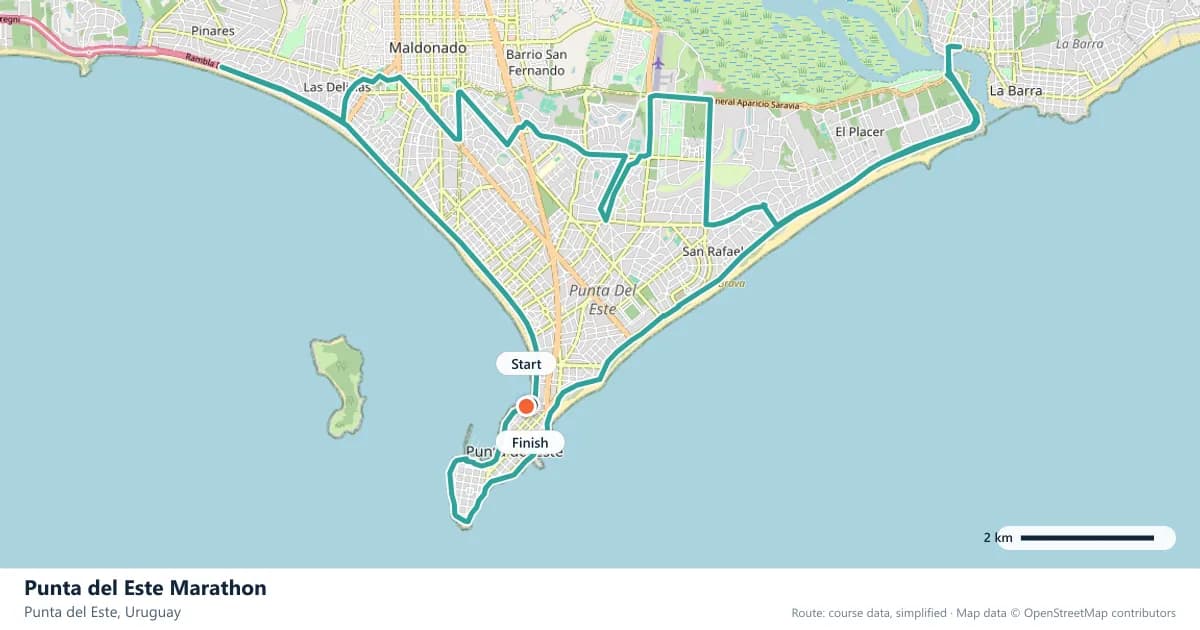
Interactive map
The trace follows the organizer's published course, simplified for the screen: the orange dot is the start, the dark dot the finish. Scroll to zoom, drag to pan.
What is the Punta del Este Marathon course like?
A coastal marathon on Uruguay's resort peninsula, passing the beaches, the marina and the harbour. Rolling, sea-level and quick when the wind stays down.
- Next edition
- September 2027 (expected)
- Elevation gain
- 141 m
- Profile
- Undulating
- First run
- —
Course guide
Punta del Este is a resort town first and a marathon venue second, and the race makes the most of the setting. The course passes the beaches, the marina and the harbour on Uruguay's resort peninsula, and the date is September 2027 (expected).
About 141 metres of climbing spread over a rolling, sea-level route makes this a quick course when the wind stays down. The Atlantic and the Rio de la Plata are never far away, and the coastal stretches offer some of the fastest running on the route.
It is a personal-best and first-marathon option, with the wind as the variable that can change the day. The September date is expected rather than fixed, so the race is one to plan around rather than book around.
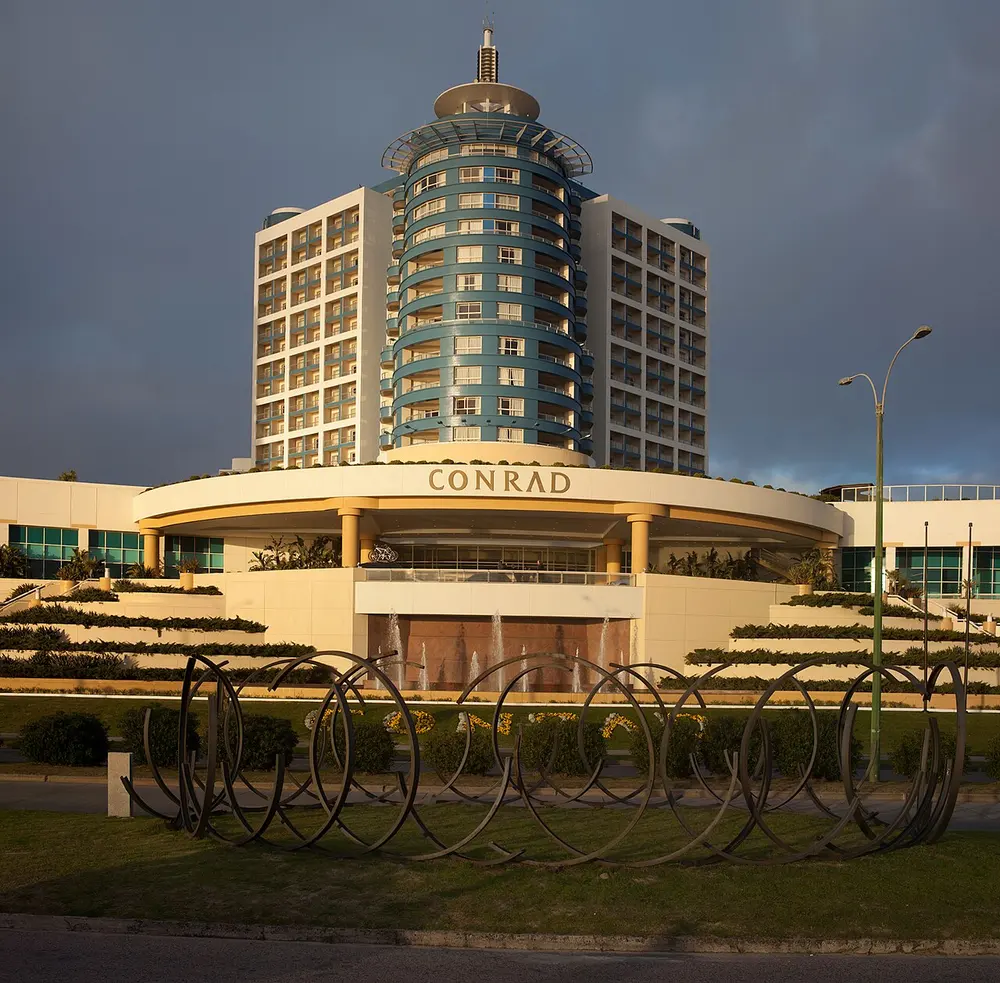
Panorama Hotel Conrad Punta del Este, Uruguay120722--jikatu. Photo: Jimmy Baikovicius / Wikimedia Commons, CC BY-SA 2.0.
The course
The route works around the peninsula, linking the beaches with the marina and harbour. The sea is the backdrop for much of the race, and the resort setting gives it a holiday feel. The course is rolling, with short rises between the coastal stretches.
With 141 metres of gain, the climbs are short and spread out. The sea-level setting helps, and the coastal stretches are where fast running is possible. Wind is the variable: when it stays down, the course is quick.
Around the peninsula
Punta del Este sits on a narrow peninsula where the Rio de la Plata meets the Atlantic, and the race uses that geography. Water is visible for long stretches, the horizon is wide and the course keeps returning to the coast. It is a route that feels open rather than enclosed, even when it passes through the town.
The peninsula also means the course changes direction often. That variety keeps the race interesting, but it makes the wind a tactical factor: a stretch that is sheltered on one side of the point can be exposed on the other. Stay aware of the conditions rather than assuming the whole course will run the same way. The town's two coasts have different characters, with the river side looking across the water and the Atlantic side facing the open ocean. The sea reappears around each turn, so the race can feel like a tour of the coastline as much as a marathon.
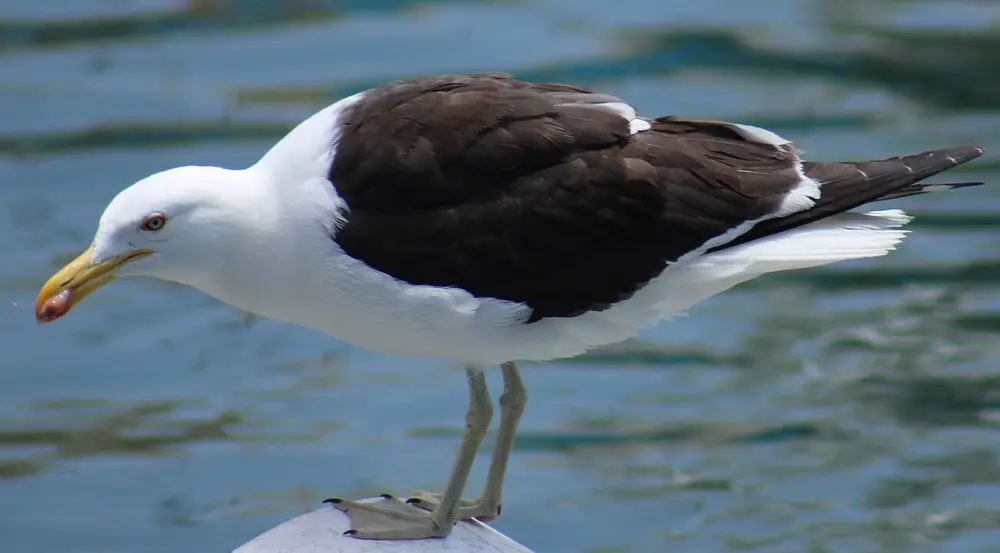
Larus dominicanus at Punta del Este 2. Photo: Boaventuravinicius / Wikimedia Commons, CC BY-SA 4.0.
When the wind stays down
The race is at its quickest when the wind is calm. The flat coastal stretches and the sea-level setting allow a steady rhythm, and the rolling sections are gentle enough not to break it. On those days, the course can produce fast times.
When the wind is up, everything changes. The coastal stretches become harder work, the pace becomes uneven and the effort required to hold a rhythm rises. Share the work with other runners, keep your effort steady and accept slower splits rather than fighting the conditions. Calm conditions are not guaranteed, but when they arrive the course is as fast as its profile suggests.
Beaches, marina and harbour
The resort character is part of the race's identity. The beaches, marina and harbour give the course a sequence of distinct places, and the town's holiday architecture provides a backdrop that is very different from an inland marathon. It is a course that feels like a day out as well as a race.
In September the resort is still waking up from winter, so the race has a quieter setting than the peak summer weeks. That suits runners: the peninsula is easier to move around and the course has room to breathe.
That atmosphere can be a distraction. The views and the setting are enjoyable, but the marathon is still 42.195 kilometres, and the second half demands focus. Use the scenery as a lift, then return to your pacing.
Planning around an expected date
September 2027 is the anticipated month, not a confirmed fixture. The exact date will be published closer to the event, so the sensible approach is to plan the trip around the month rather than a specific weekend. Wait for confirmation before booking flights or accommodation.
The expected date also affects training. A September race means a winter or early-spring build in the southern hemisphere, and a summer build for visitors from the north. Either way, the race is far enough ahead to prepare properly once the date is fixed.
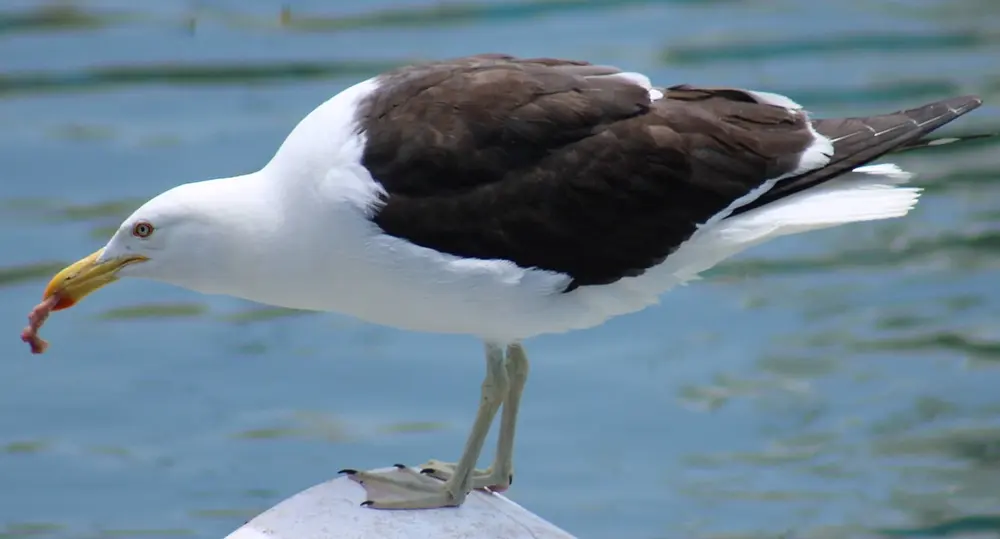
Larus dominicanus at Punta del Este 3. Photo: Boaventuravinicius / Wikimedia Commons, CC BY-SA 4.0.
Frequently asked questions
Answers to the questions runners ask before entering, drawn from this race's course guide and the directory's own data — the sources behind them are listed below.
When is the Punta del Este Marathon?
The edition covered here is expected in September 2027. The month is anticipated rather than confirmed, so check the exact date before booking travel.
Is the Punta del Este Marathon flat or hilly?
It is undulating, with about 141 metres of climbing in short rises. The route is at sea level, but it is not completely flat; the rolling sections between the coastal stretches keep the legs working.
Is the Punta del Este Marathon good for a first marathon or a personal best?
Yes, in different ways. The sea-level setting and rolling profile are manageable for a debut, while the same setting gives personal-best chasers a chance. The wind is the main variable that can change the day.
Where is the Punta del Este Marathon run?
It is run in Punta del Este, Uruguay, around the resort peninsula past the beaches, marina and harbour. The route is built around the coastline.
How much does the wind affect the race?
The course is quick when the wind stays down, and much harder when it blows. The coastal stretches are exposed, so pace by effort and share the work with other runners when you can.
Why is the race expected in September?
September is early spring in Uruguay, with mild conditions and a resort town that is coming back to life after winter. The exact date is still to be confirmed.
More marathons in Uruguay
More marathons in Americas
Sources for this page
What each source below is used for on this page, and where to check this race yourself.
- World Athletics — the label calendar and the road-race regulations. Used to check whether the race holds a World Athletics label, and its elite competition details.
- AIMS — the international course-measurement standard behind the 42.195 km distance, and the AIMS race calendar.
- The organizer's own publications — course maps, race handbooks and published results. The date, course character and climbing on this page are compiled from them and re-checked each season.
Where do these facts come from?
Dates, course type, climbing and time limits are compiled from the organizer's publications and re-checked each season; elevation is an estimate of total climbing rather than a survey figure. Always confirm race-day details with the organizer before making plans.
Last reviewed 27 October 2026