
Macau Marathon
Macau's marathon is built around a crossing. The route runs between the Macau peninsula and Taipa, using the harbour bridges to link the two halves of the course, and passes the casino district and…
By Global Marathon Routes editorial team · Last reviewed 27 October 2026
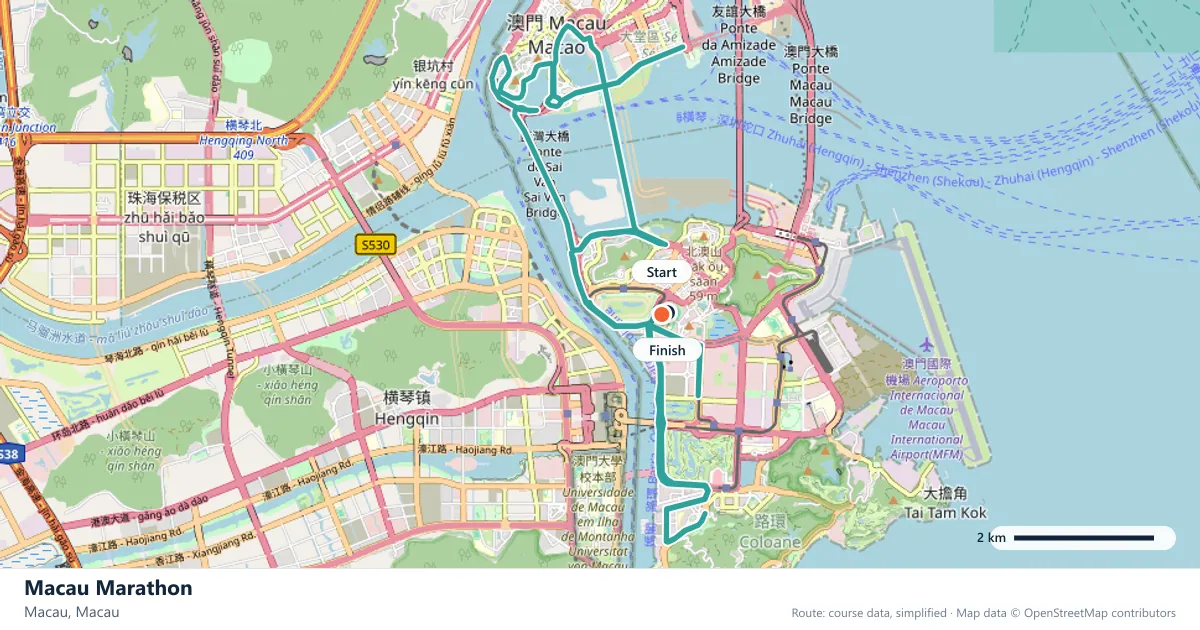
Where does the Macau Marathon run?
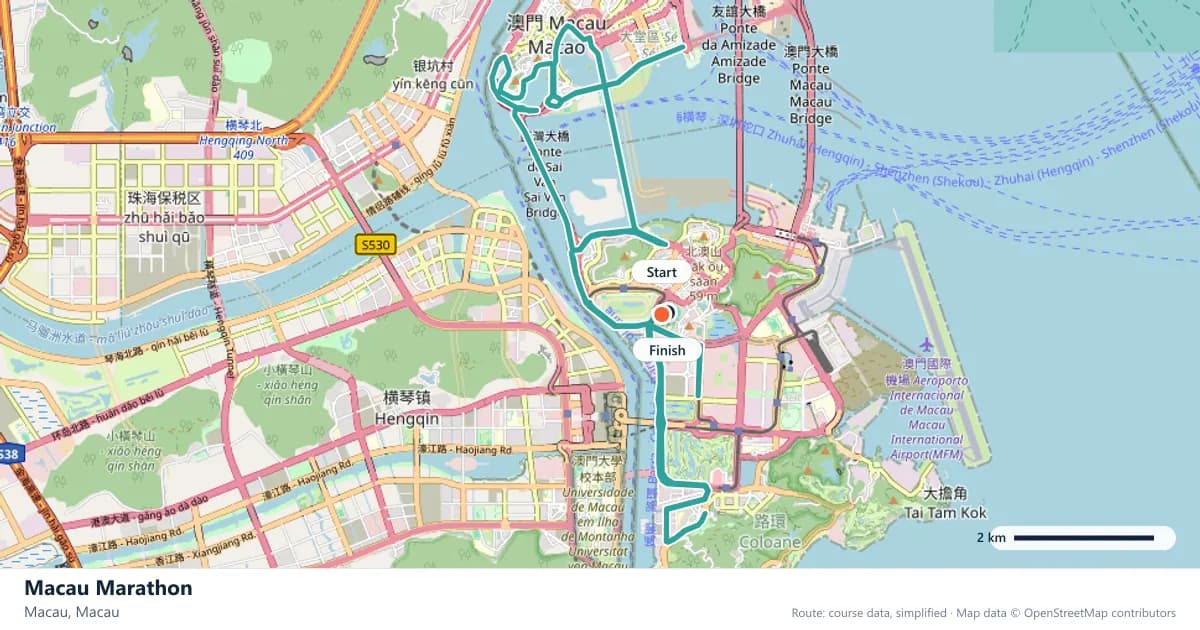
Interactive map
The trace follows the organizer's published course, simplified for the screen: the orange dot is the start, the dark dot the finish. Scroll to zoom, drag to pan.
What is the Macau Marathon course like?
Runs between the Macau peninsula and Taipa over the harbour bridges, past the casinos and the old Portuguese quarter. Flat, and usually quick in December.
- Next edition
- 06 December 2026
- Elevation gain
- 90 m
- Profile
- Flat
- First run
- —
Course guide
Macau's marathon is built around a crossing. The route runs between the Macau peninsula and Taipa, using the harbour bridges to link the two halves of the course, and passes the casino district and the old Portuguese quarter along the way. The 2026 edition is on 6 December, and the course climbs only about 90 metres across its full length.
That combination makes for a compact, unusual city race. There is water beneath the bridges, dense streets on both sides, and very little climbing to break the rhythm. December in Macau is usually quick, and the course has the shape of a fast marathon: flat, broken only by the bridges, and decided by how well a runner can hold a steady pace across the harbour.
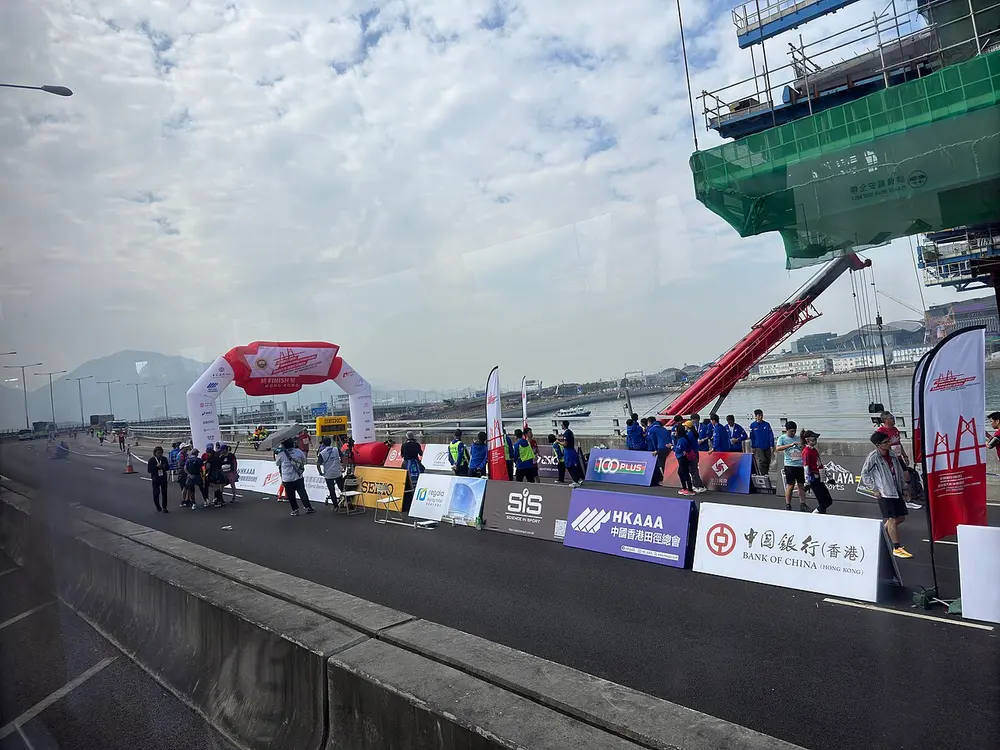
Bank of China(Hong Kong) Hong Kong-Zhuhai-Macau Bridge(Hong Kong Section) Half Marathon 05-01-2025(1. Photo: LN9267 / Wikimedia Commons, CC BY-SA 4.0.
The course
The route connects the peninsula with Taipa, crossing the harbour on the bridges and threading through the built-up districts on either side. The profile is flat overall, with about 90 metres of climbing across the full distance. The bridge approaches are where the course changes level; elsewhere it stays close to sea level.
The course moves between two different urban environments, and the transitions are part of the experience. The old Portuguese quarter gives the race a distinctive architectural backdrop, while the casino district provides a more modern contrast. The harbour crossings are the defining feature and the place where the race feels most exposed.
| Race fact | Detail |
|---|---|
| Date | 6 December 2026 |
| Profile | Flat |
| Elevation gain | About 90 m |
| Setting | Macau peninsula and Taipa, over the harbour bridges |
The harbour bridges
The bridges are the reason this marathon has a shape of its own. They carry the race across the water, and they provide the only sustained changes of gradient on an otherwise level course. The approaches rise, the deck runs above the harbour, and the descent delivers runners into the next district.
On the bridge itself, the race feels different. The field stretches out, the city recedes, and the wind and exposure become part of the effort. It is a place to hold form and stay relaxed rather than to force the pace. The view is worth noticing, but the crossing is also where an even rhythm pays for itself.
The old quarter and the casino strip
The old Portuguese quarter and the casino district give the course its two contrasting halves. In the old quarter, the streets are tighter and the route turns more often, with the architecture providing a sense of place that a highway cannot. In the casino district, the scale opens up and the buildings become larger and more modern.
Both sections demand attention after the open bridge. The turns and changes of direction can disturb a rhythm built on the crossing, and the transitions between old streets and wide roads are easy places to lose concentration. The course is flat, but it is not monotonous, and the constant changes of scene are part of what keeps it interesting.
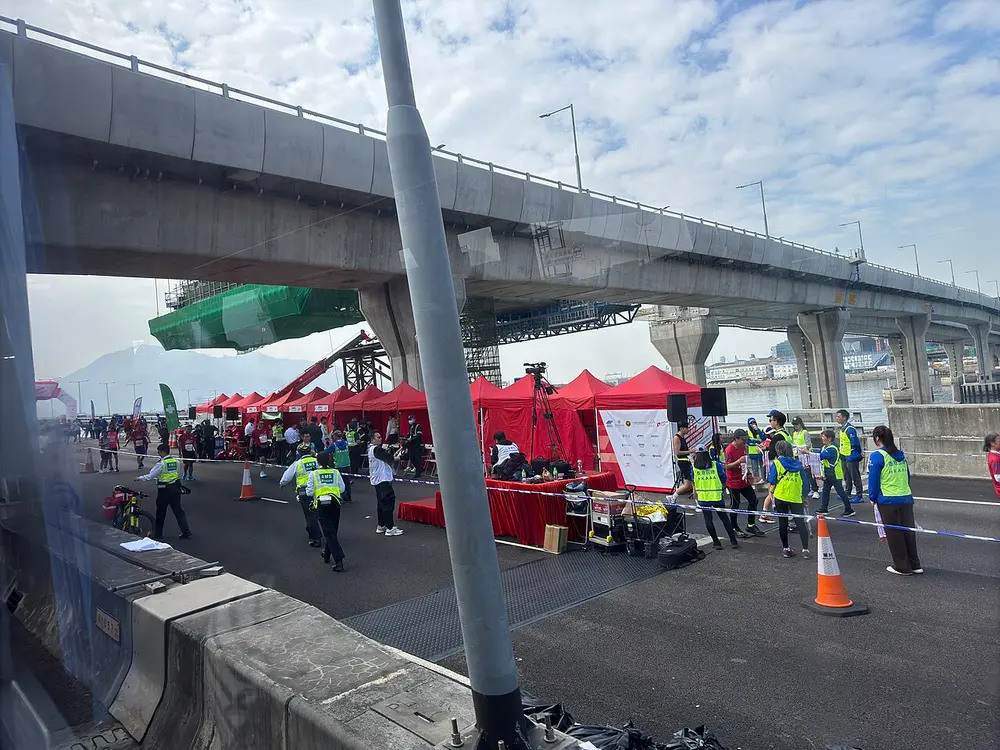
Bank of China(Hong Kong) Hong Kong-Zhuhai-Macau Bridge(Hong Kong Section) Half Marathon 05-01-2025(2. Photo: LN9267 / Wikimedia Commons, CC BY-SA 4.0.
Why December suits a fast run
Macau in December is usually quick. The date sits in a season when the city is more comfortable than it is in the humid summer, and the flat course does the rest. That is why the race is well suited to a fast time, and why runners chasing a personal best are drawn to it.
The speed is not automatic. A flat course with bridge ramps and urban turns still requires discipline, and the December conditions can vary from one edition to the next. The safest approach is to treat the first half as a controlled build, use the bridges to hold form, and leave the final district with something in reserve.
Bridge discipline
- The bridge approaches. They are the only real gradients on the course. Stay relaxed on the ramps and do not surge over the top.
- Flat, fast running. About 90 metres of climbing invites a quick pace. Hold back early and let the flat kilometres work for you.
- December timing. The race is usually quick at this time of year, but do not take the day for granted. Prepare for the conditions you find.
- Urban turns. The old quarter and casino district bring changes of direction after the open crossings. Stay alert to the route.
- Exposure on the bridges. The deck is open to the weather. Keep your form and your own rhythm when the field spreads out.
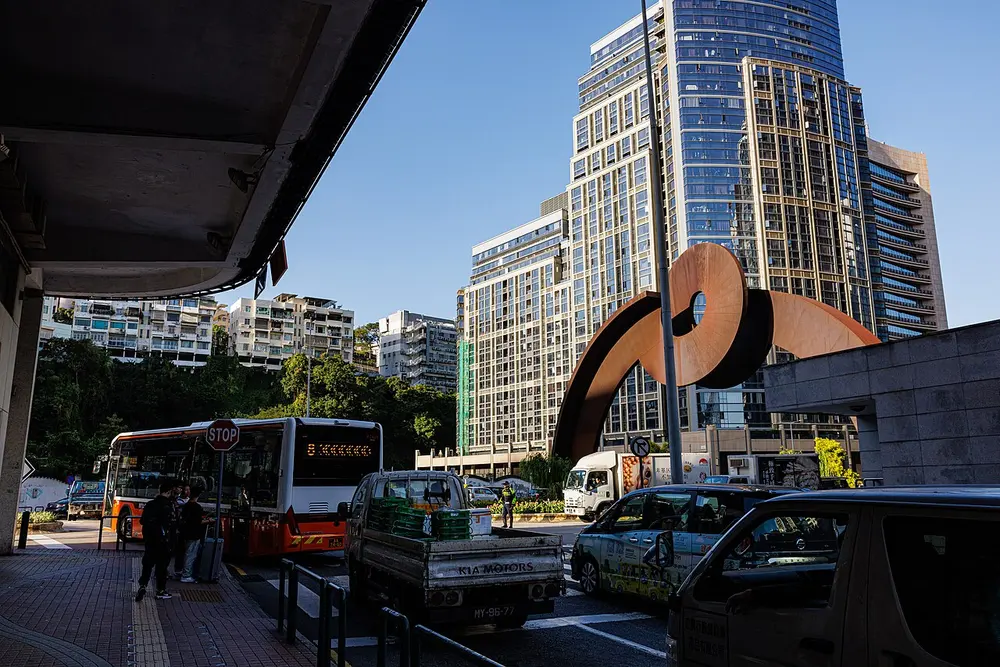
Alameda Dr. Carlos d'Assumpção, Macau (7). Photo: Dinkun Chen / Wikimedia Commons, CC BY-SA 4.0.
Frequently asked questions
Answers to the questions runners ask before entering, drawn from this race's course guide and the directory's own data — the sources behind them are listed below.
When is the Macau Marathon in 2026?
The race is on 6 December 2026. It is an early-December marathon, and the course runs between the Macau peninsula and Taipa.
Is the Macau Marathon a flat course?
Yes. It has about 90 metres of climbing, with the bridge approaches providing the main gradients. The rest of the route is essentially flat.
Is the Macau Marathon good for a personal best?
It is well suited to a fast time. The flat profile and the usually quick December conditions give a well-paced runner a fair chance. The bridge ramps and urban turns are the details to manage, not the overall elevation.
Where is the Macau Marathon run?
It is run in Macau, between the peninsula and Taipa. The course crosses the harbour bridges and passes the casino district and the old Portuguese quarter.
Does the course cross the harbour?
Yes. The route runs between the Macau peninsula and Taipa over the harbour bridges, which are the defining feature of the course and the only real changes of gradient.
What is the hardest part of the Macau Marathon?
The transitions. The bridge approaches ask for controlled effort, and the turns through the old quarter and casino district ask for attention after the open crossings. The flat kilometres between them are where a steady rhythm pays off.
More marathons in Asia
Sources for this page
What each source below is used for on this page, and where to check this race yourself.
- World Athletics — the label calendar and the road-race regulations. Used to check whether the race holds a World Athletics label, and its elite competition details.
- AIMS — the international course-measurement standard behind the 42.195 km distance, and the AIMS race calendar.
- The organizer's own publications — course maps, race handbooks and published results. The date, course character and climbing on this page are compiled from them and re-checked each season.
Where do these facts come from?
Dates, course type, climbing and time limits are compiled from the organizer's publications and re-checked each season; elevation is an estimate of total climbing rather than a survey figure. Always confirm race-day details with the organizer before making plans.
Last reviewed 27 October 2026