
Beirut Marathon
The Beirut Marathon has been part of the city's autumn for long enough to feel institutional. It is one of the region's longest-running mass races, and the 2026 edition is on 29 November, when the…
By Global Marathon Routes editorial team · Last reviewed 27 October 2026
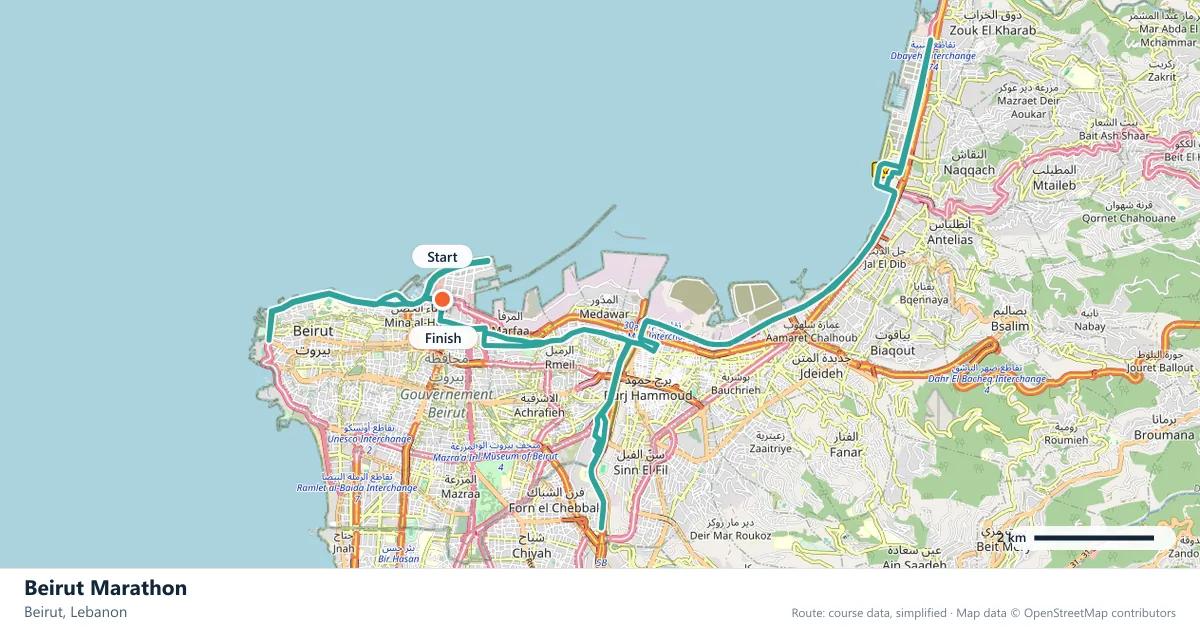
Where does the Beirut Marathon run?
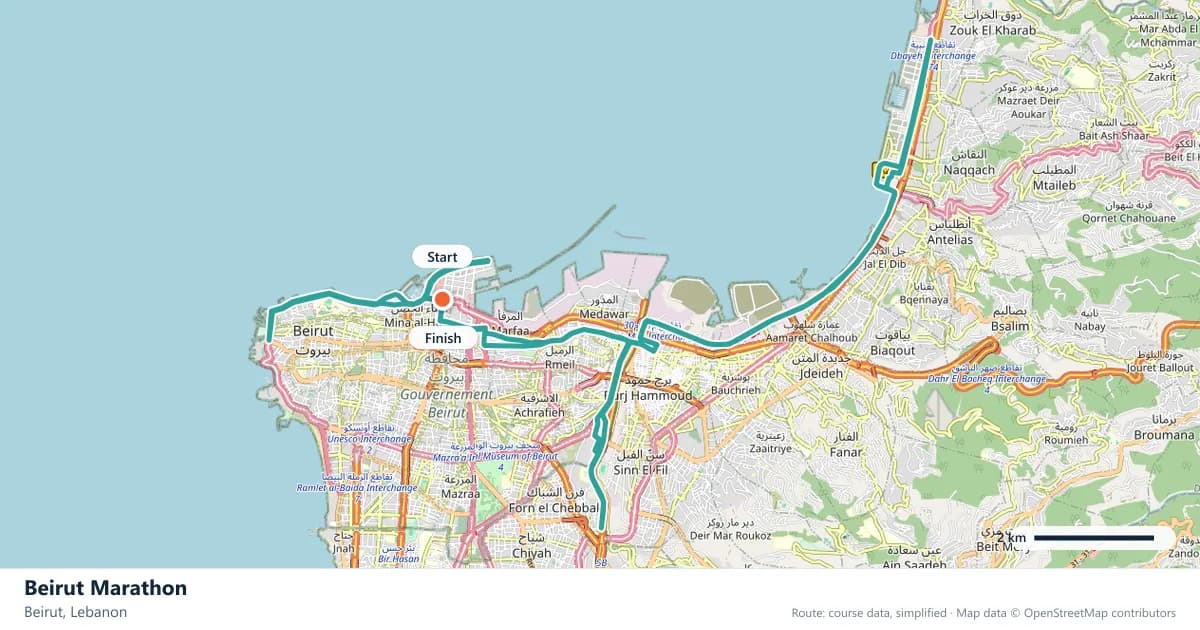
Interactive map
The trace follows the organizer's published course, simplified for the screen: the orange dot is the start, the dark dot the finish. Scroll to zoom, drag to pan.
What is the Beirut Marathon course like?
A November marathon along the Mediterranean corniche and through the rebuilt centre of Beirut. Mild, mostly flat and one of the region's longest-running mass races.
- Next edition
- 29 November 2026
- Elevation gain
- 135 m
- Profile
- Undulating
- First run
- —
Course guide
The Beirut Marathon has been part of the city's autumn for long enough to feel institutional. It is one of the region's longest-running mass races, and the 2026 edition is on 29 November, when the Mediterranean coast is mild and the city is comfortable for running. The course follows the corniche and passes through the rebuilt centre, with about 135 metres of climbing across the day.
That profile makes Beirut a gentle race by big-city standards. It is undulating rather than level, but the rises are short and the sea is never far away. The combination of a mild late-autumn date, a mostly flat route and a long established event is why the race works well as a first marathon, provided the opening kilometres are treated with respect.

Shiraz at the Beirut Marathon 2016. Photo: Themustachedcloud / Wikimedia Commons, CC BY-SA 4.0.
The course
The marathon follows the Mediterranean corniche, with the sea alongside the route for long stretches, before turning through the rebuilt centre of Beirut. The waterfront is the defining geography: open, coastal and mild in November. The total climb of about 135 metres comes in gentle rises rather than a sustained hill.
The city-centre section introduces turns and changes of direction after the long coastal running. That shift in rhythm is part of the course's character, and it rewards runners who have practised pacing through an urban environment rather than only on open roads. The course is not difficult in the way a mountain marathon is difficult; its challenge is to stay disciplined when the route keeps offering chances to run faster than planned.
| Race fact | Detail |
|---|---|
| Date | 29 November 2026 |
| Profile | Undulating |
| Elevation gain | About 135 m |
| Setting | Mediterranean corniche and the rebuilt centre of Beirut |
The corniche as the race's front room
The corniche is Beirut's public living room, a seafront promenade where the city walks, fishes, talks and watches the water. On race day it becomes the marathon's front room in a more literal sense: the route uses the waterfront as its opening stage, and the sea gives runners a constant point of reference.
That openness has a practical side. The corniche is exposed to the sun, and the mild November air can make the exposure easy to underestimate. The sea breeze cools the skin without reducing the effort, and the flat stretches can feel easier than they are. It is a place to settle into a rhythm, not to bank time for the second half.
Through the rebuilt centre
After the waterfront, the course turns into the rebuilt centre of Beirut. The change is immediate: the horizon disappears, the road narrows, and the race becomes a sequence of turns rather than a long coastal line. The rebuilt centre gives the streets a modern, formal character, and the route uses them to connect the seafront with the rest of the course.
This is where the marathon requires attention. Corners and changes of direction disturb the rhythm that the corniche allowed, and the effort of accelerating out of each turn adds up. Runners who have done their long runs on city streets will handle it better than those who have trained only on open roads.
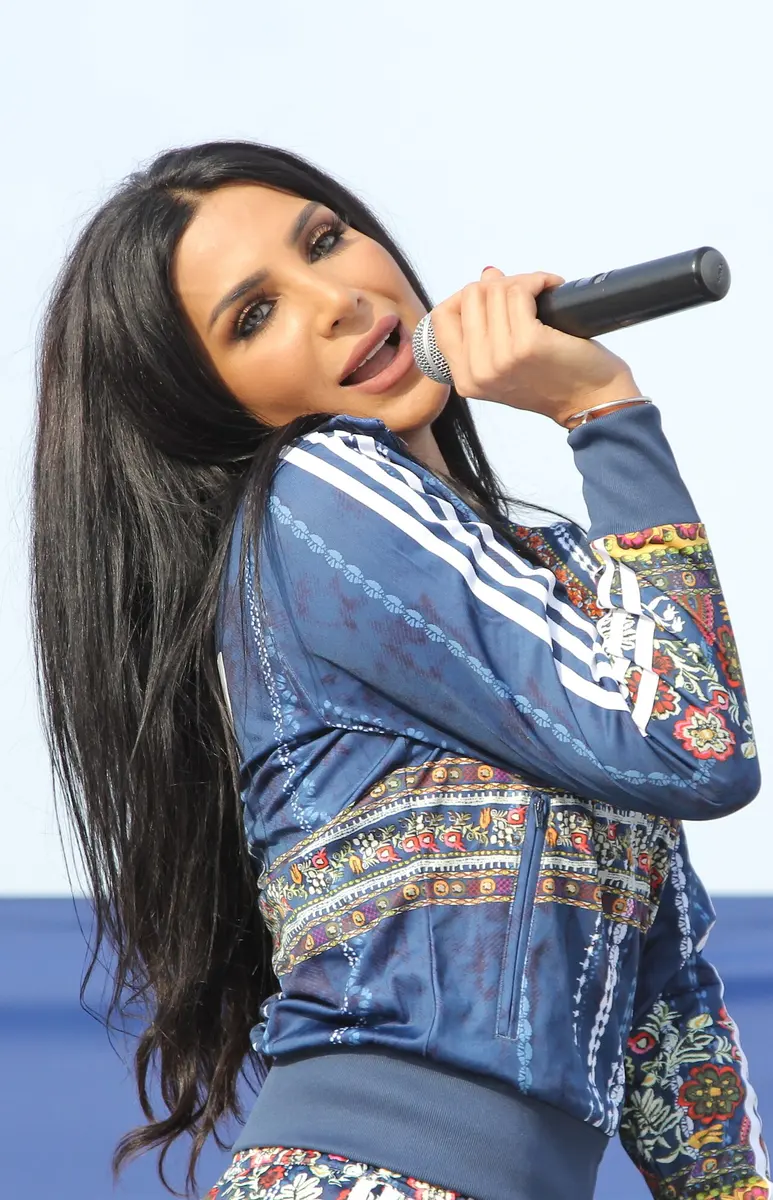
Shiraz at the Beirut Marathon 2016 (cropped). Photo: Themustachedcloud / Wikimedia Commons, CC BY-SA 4.0.
A November debut
The Beirut Marathon is a sensible choice for a first marathon. The date avoids the heat of summer, the profile is gentle, and the race has the organisation and crowd support that come with a long-established event. A debutant does not need to fear the course; the risks are more ordinary ones, such as starting too quickly on the flat corniche or underestimating the sun.
The first-time plan should be simple. Go out slower than feels natural, use the coastal kilometres to establish a rhythm, and save the mental energy for the turns in the centre. The finish is a celebration of a first marathon, not a referendum on the pace, and Beirut's course gives a conservative runner a good chance of enjoying it.
November cautions
- Mild is not cool. November on the Mediterranean is comfortable, but the corniche is exposed. Prepare for sun even when the air feels gentle.
- Gentle rollers. About 135 metres of climbing is modest, but the short rises can disturb the rhythm if you charge them.
- Urban turns in the centre. After the waterfront, the route changes direction frequently. Stay alert and do not fight the corners.
- Debut pacing. The race is well suited to a first marathon. Start conservatively and use the coast to settle rather than to bank time.
- The sea view. It is easy to drift while looking at the water. Keep an eye on your watch as well as the horizon.
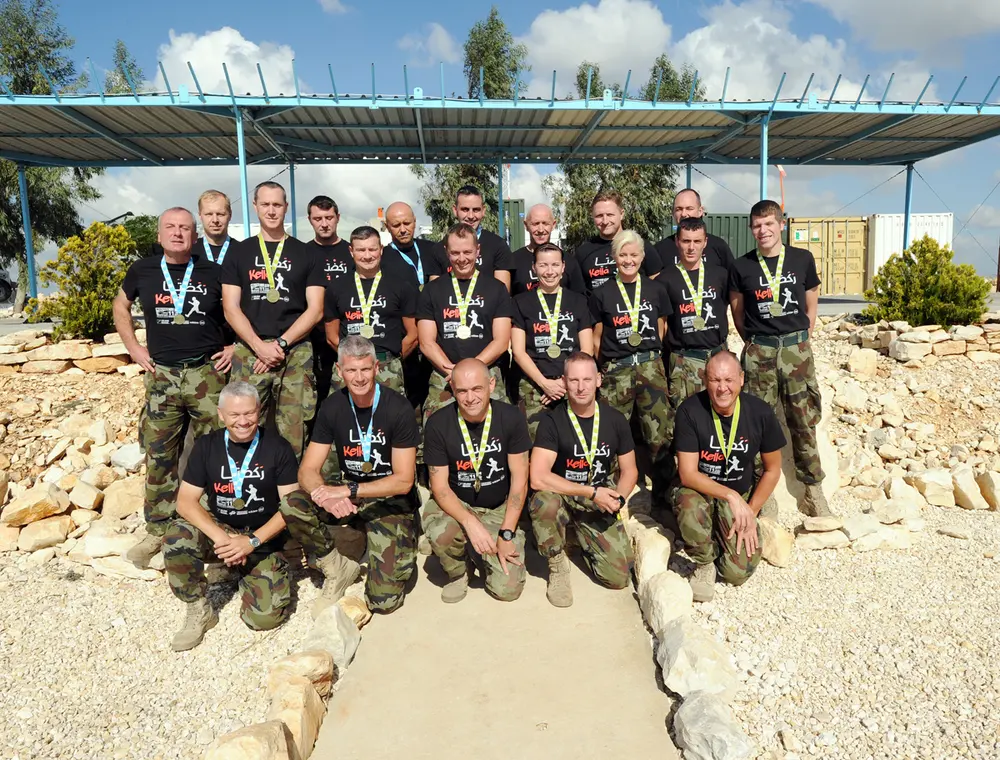
Beirut Marathon Runners 106th Bn (2). Photo: Irish Defence Forces / Wikimedia Commons, CC BY 2.0.
Frequently asked questions
Answers to the questions runners ask before entering, drawn from this race's course guide and the directory's own data — the sources behind them are listed below.
When is the Beirut Marathon in 2026?
The race is on 29 November 2026. It is a late-November event, held in mild Mediterranean conditions.
Is the Beirut Marathon a flat course?
Mostly. It is undulating, with about 135 metres of climbing, so there are gentle rises, but nothing that resembles a proper hill. The corniche and the rebuilt centre are both manageable on tired legs.
Is the Beirut Marathon good for a first marathon?
Yes. The mild late-autumn date, the mostly flat profile and the established organisation make it a sensible debut. The main risks are starting too fast on the corniche and underestimating the sun on the exposed waterfront.
Is the Beirut Marathon good for a personal best?
It is not the course's emphasis. The gentle rises and the urban turns in the centre make even pacing more important than raw speed, and the race rewards patience rather than a bold opening. A controlled, comfortable marathon is a better goal than a time.
Where is the Beirut Marathon run?
It is run in Beirut, Lebanon, along the Mediterranean corniche and through the rebuilt centre of the city. The sea is close for much of the route.
How should I handle the November weather?
Treat it as a mild but sunny autumn day. Wear protection for the exposed corniche, drink regularly, and do not assume the sea breeze removes the need for heat management.
More marathons in Asia
Sources for this page
What each source below is used for on this page, and where to check this race yourself.
- World Athletics — the label calendar and the road-race regulations. Used to check whether the race holds a World Athletics label, and its elite competition details.
- AIMS — the international course-measurement standard behind the 42.195 km distance, and the AIMS race calendar.
- The organizer's own publications — course maps, race handbooks and published results. The date, course character and climbing on this page are compiled from them and re-checked each season.
Where do these facts come from?
Dates, course type, climbing and time limits are compiled from the organizer's publications and re-checked each season; elevation is an estimate of total climbing rather than a survey figure. Always confirm race-day details with the organizer before making plans.
Last reviewed 27 October 2026