
Accra Marathon
Accra's marathon begins on the coast road and then turns its back on the sea. The Atlantic is close at the start, but the race quickly becomes an inland tour of Ghana's capital: commercial streets,…
By Global Marathon Routes editorial team · Last reviewed 27 October 2026
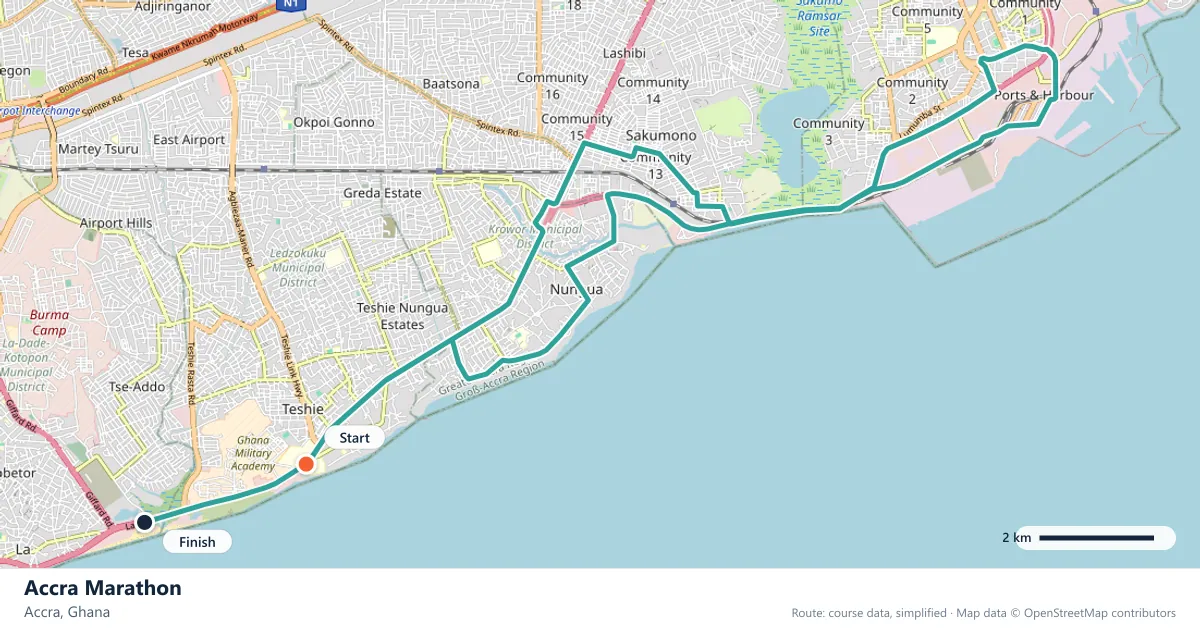
Where does the Accra Marathon run?
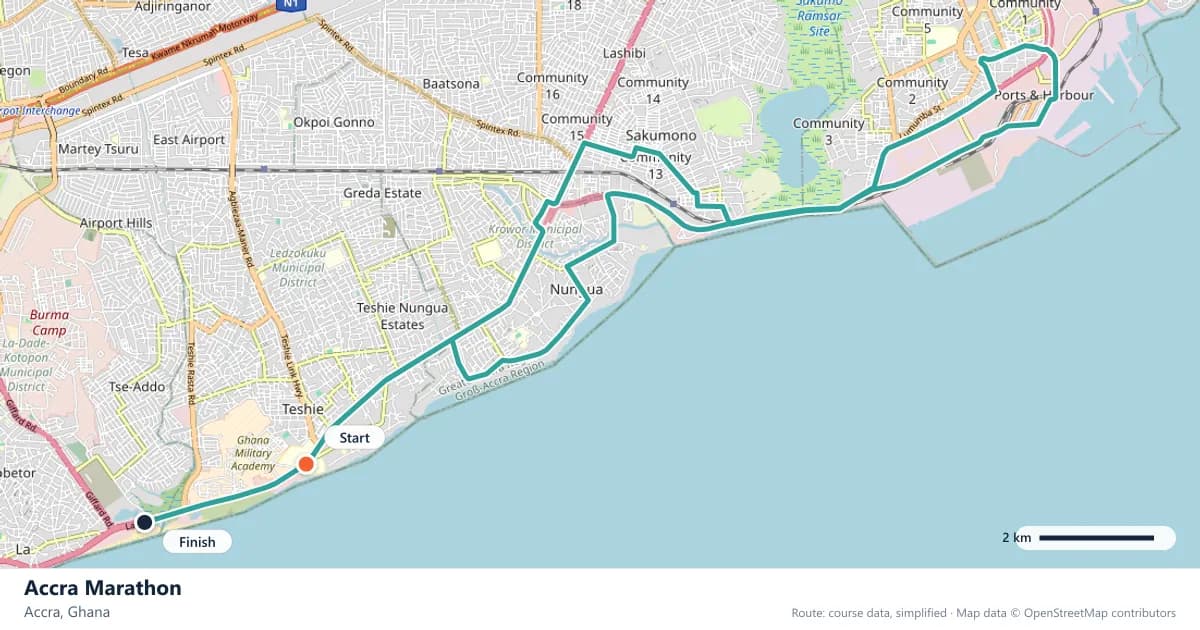
Interactive map
The trace follows the organizer's published course, simplified for the screen: the orange dot is the start, the dark dot the finish. Scroll to zoom, drag to pan.
What is the Accra Marathon course like?
A tropical city marathon through Ghana's capital, running from the coast road through the city's neighbourhoods. Warm and humid from the start, so the pace is always honest.
- Next edition
- October 2027 (expected)
- Elevation gain
- 225 m
- Profile
- Undulating
- First run
- —
Course guide
Accra's marathon begins on the coast road and then turns its back on the sea. The Atlantic is close at the start, but the race quickly becomes an inland tour of Ghana's capital: commercial streets, residential quarters, roadside trade and the constant movement of a city that rarely slows down. The sea gives the morning its opening image; the neighbourhoods give it its character.
The race is expected in October 2027. The course is undulating rather than flat, with roughly 225 m of climbing across the full distance, and the conditions are tropical from the outset. Warm air and high humidity do more to set the pace than any of the short rises, which is why Accra rewards restraint more than aggression.
That makes it a different kind of city marathon from the European races built around a single scenic loop. There is no long waterfront promenade to settle the rhythm and no cool early hour to hide in. There is a route through a working capital, and a day that has to be managed from the first kilometre.
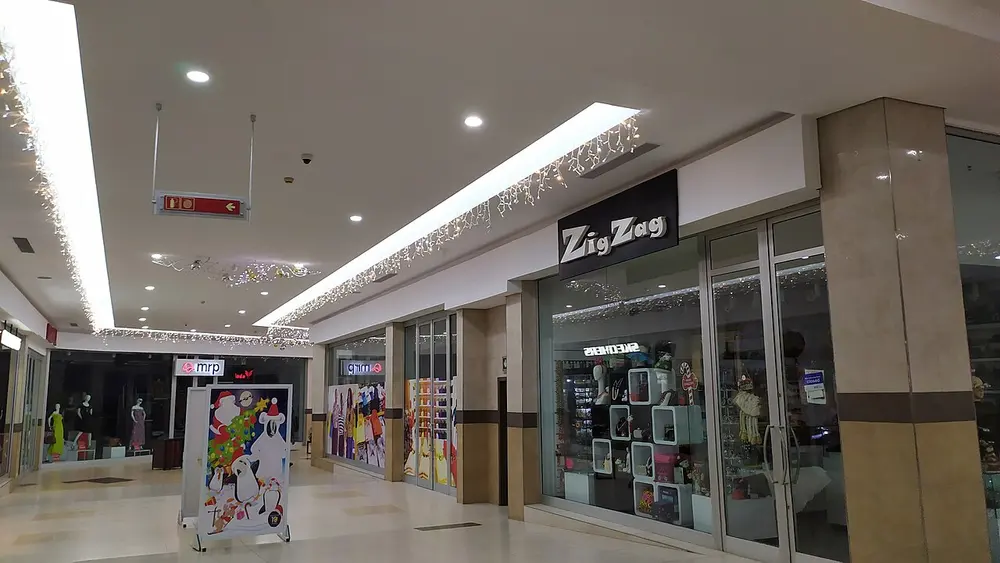
Accra Grand Mall. Photo: Serieminou / Wikimedia Commons, CC BY-SA 4.0.
The course
The route starts on the coast road and works inland through Accra's neighbourhoods. The early kilometres are busy and built-up, with the coast behind you and the city closing in on both sides. As the race progresses the surroundings shift from commercial frontage to residential streets and roadside commerce, so the course changes character several times without ever leaving the urban area.
The profile is undulating. About 225 m of climbing is spread across the 42.195 km in short rises rather than one sustained ascent. On paper, that is a modest total for a city marathon. In practice, each rise interrupts the rhythm, and in humid air the cost of getting back to pace is higher than the climb itself.
There is no single landmark that defines the race in the way a bridge or a stadium defines other marathons. Accra's identity comes from the accumulation of streets: the commercial energy near the centre, the quieter residential stretches, the vendors and the traffic-free morning. Runners who expect a scenic loop should expect a city instead.
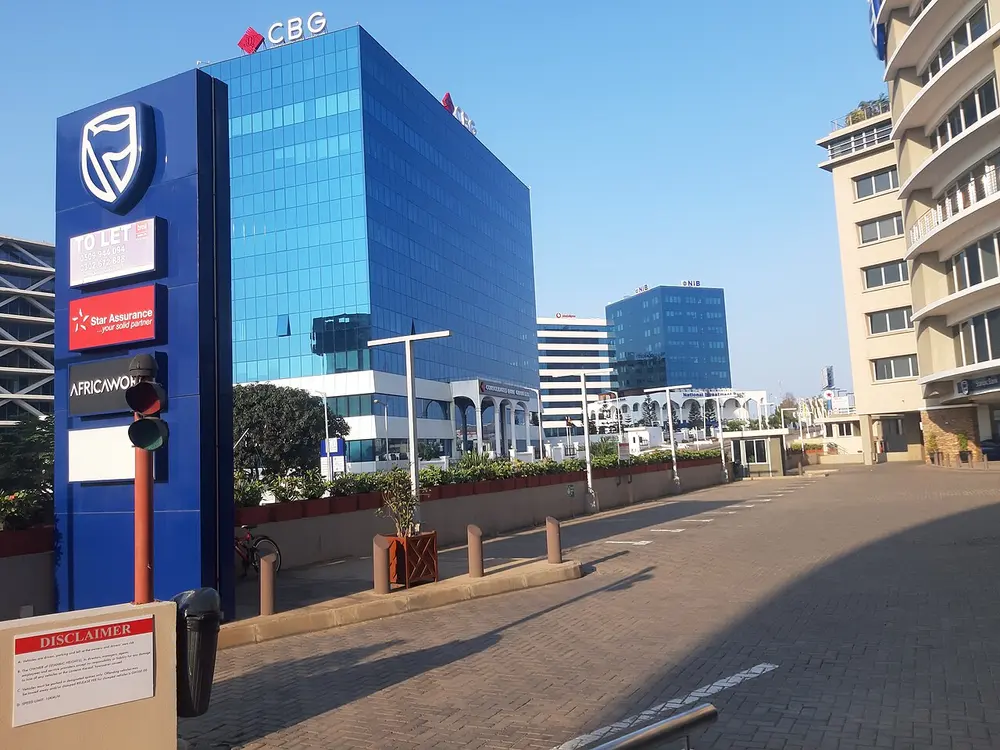
Airport City, Accra Ghana. Photo: Fanti Salms / Wikimedia Commons, CC BY-SA 4.0.
Where the climbing hides
None of the rises on the Accra course is long enough to warrant a name, and that is what makes them easy to underestimate. They arrive in the middle of neighbourhoods, often after a turn, and they are followed by descents that encourage you to run faster than the plan. The pattern repeats often enough to turn 225 m into a real tax.
The sensible response is to run by effort on the rises and let the descents come without chasing them. Accra's humidity makes this harder than it sounds. When the air is heavy, the body is already working to cool itself, and a pace that feels controlled on the flat can become expensive on even a slight incline.
The final part of the race returns through the city rather than along the coast. By then the accumulated climbing and the heat are both present, and the finish is less about a final landmark than about holding form through streets that have lost their novelty.
Heat, humidity and the first hour
The race is warm and humid from the start. There is no cool dawn window in which to bank fast kilometres, and no guarantee that the morning will become easier as it goes on. That makes the opening hour the most important part of the day: it sets the fluid deficit, the core temperature and the mental tone for everything that follows.
Drinking early is part of racing here, not an admission of weakness. So is accepting that the pace will be slower than at sea level in temperate conditions. Runners who try to hold a European split in Accra's air usually spend the second half paying for it.
The city affects how you feel the heat. Built-up streets offer shade in places and trap warmth in others; the coast road opens the route to sea air before the inland sections close it down again.
The city as the course
Accra is not a backdrop that waits politely at the edges. Markets, transport, churches and construction are part of the morning, and the race passes through neighbourhoods rather than around them. That is the appeal: a marathon that shows you how the capital actually works, with the roads closed for a few hours.
It also means the race is less predictable than a purpose-built loop. The course turns, changes surface character and moves between districts. Runners who stay alert to those transitions, and keep their own rhythm through them, will enjoy the day more than those waiting for a long straight to appear.
The finish brings the race back into the city after its coastal opening. By then the Atlantic feels a long way away, which is fitting: Accra's marathon is decided inland.
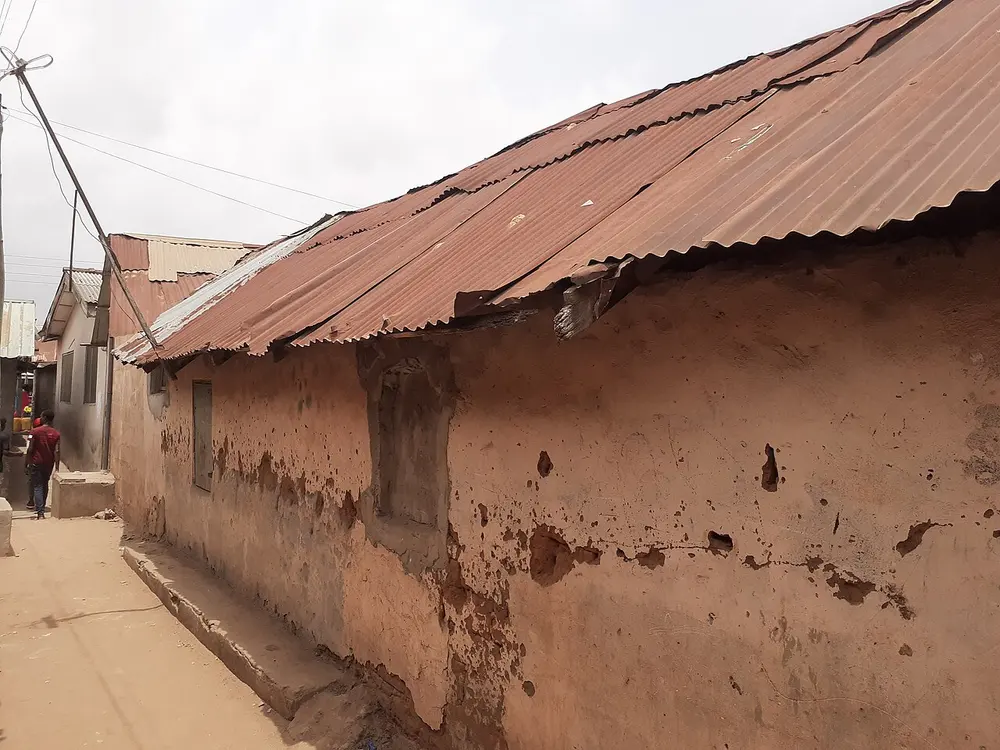
House at Nima in Accra. Photo: Gkbediako / Wikimedia Commons, CC BY-SA 4.0.
Frequently asked questions
Answers to the questions runners ask before entering, drawn from this race's course guide and the directory's own data — the sources behind them are listed below.
When is the Accra Marathon in 2026?
The 2026 edition is set for 25 October.
Is the Accra Marathon a flat course?
No. The route is undulating, with about 225 m of climbing over 42.195 km. The rises are short and repeated rather than one long ascent, but in warm, humid conditions they cost more than the elevation figure suggests.
Where does the Accra Marathon run?
It starts on the coast road and works inland through Accra's neighbourhoods, staying within the capital for the full distance. The route passes through commercial and residential districts rather than following a scenic loop.
What are conditions like on race day?
Warm and humid from the start. October in Accra is tropical, so the race is defined by the air as much as the course. Expect sweat losses to be high and pace to be slower than in temperate conditions.
Why is pacing by effort important in Accra?
Because the humidity raises the cost of every surge and every short climb. A watch-based pace that feels easy early can become unsustainable later; breathing and perceived effort are more reliable guides.
What makes the Accra Marathon different from a flat city race?
The combination of an undulating route, tropical humidity and streets that run through working neighbourhoods. There is no long flat waterfront or cool early window, so the race is a steady negotiation with the conditions rather than a pure time trial.
More marathons in Africa
Sources for this page
What each source below is used for on this page, and where to check this race yourself.
- World Athletics — the label calendar and the road-race regulations. Used to check whether the race holds a World Athletics label, and its elite competition details.
- AIMS — the international course-measurement standard behind the 42.195 km distance, and the AIMS race calendar.
- The organizer's own publications — course maps, race handbooks and published results. The date, course character and climbing on this page are compiled from them and re-checked each season.
Where do these facts come from?
Dates, course type, climbing and time limits are compiled from the organizer's publications and re-checked each season; elevation is an estimate of total climbing rather than a survey figure. Always confirm race-day details with the organizer before making plans.
Last reviewed 27 October 2026